Home 2
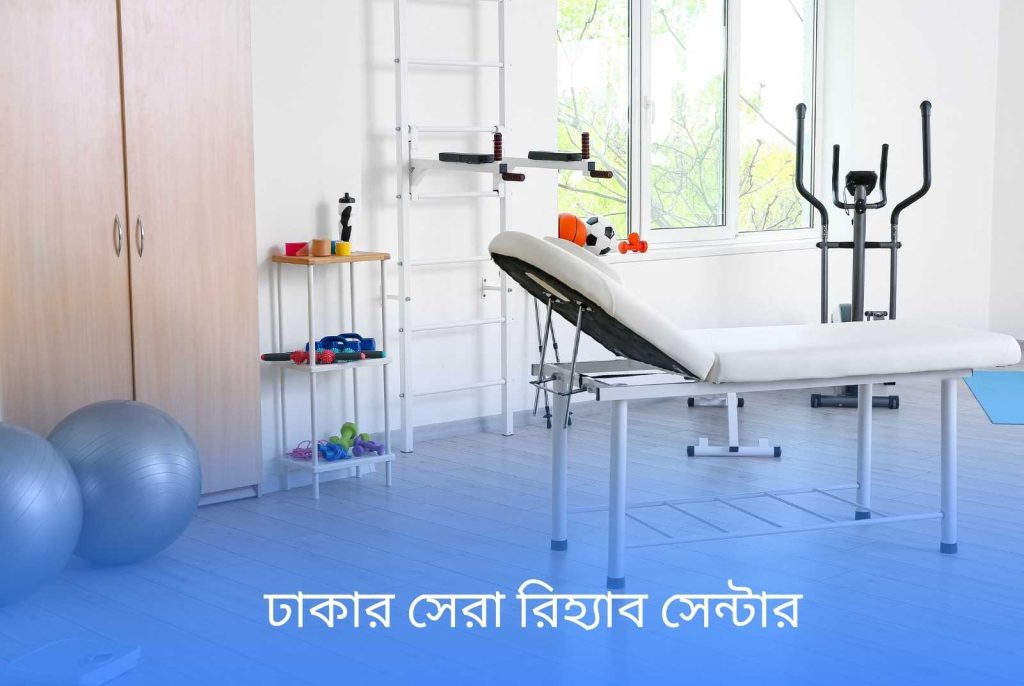
Admissions desk open 24 hours — including Fridays and public holidays +880 1716-623665 বাংলা ভার্সন Government licensed · Department of Narcotics Control approved Best Rehab Center in Dhaka for Drug & Alcohol Addiction Golden Life BD is a government-licensed drug addiction treatment centre and rehabilitation centre in Dhaka. For more than two decades we have helped families in Bangladesh move from crisis to recovery — with medically supervised detox, structured therapy and aftercare that continues long after discharge. Speak to a counsellor How admission works Our Commitment to Your Recovery 2004 Treating Since Building a Legacy of Healing and Hope. 22 yrs Experience Clinical Wisdom from Over Two Decades. 4.9 ⭐ Google Reviews Rated Highest for Compassion and Results. Verified Reviews 24/7 Admission Desk Always Here When You Need Us, Day or Night. Call +880 1716-623665 Open 24 hours · Your enquiry is kept private Counsellor available now Not sure where to begin? Most families call us in the middle of a crisis, with no idea what happens next. Here is exactly what the first call looks like — it is free, and there is no obligation. A 10-minute conversation Tell us what has been happening. We will tell you honestly whether residential treatment is the right step. Visit before you decide Come and see the rooms, the kitchen and the medical room yourself. No appointment needed. Written costs, in advance The full treatment plan and fee is given to you in writing before admission. Nothing is added later. 100% Confidential Support Seeking help is a brave first step. Whether you are looking for drug rehabilitation for yourself or a loved one, our experienced clinical team guarantees complete privacy. We provide compassionate, customized treatment plans designed to address the root cause of addiction for lasting recovery. DNCC Trade Licence TRAD/DNCC/003817/2022 Fire Safety Certified FSCD/DHK/2026/32377/16 Treatment led by BMDC-registered doctors Licensed & inspected Trade licence, narcotics-control approval and fire safety clearance — all current Doctor-led treatment Every treatment plan is written and supervised by a BMDC-registered physician Discretion by default Neighbours, employers and extended family are never contacted by us Care after discharge Structured follow-up and relapse planning, not a goodbye at the gate See the place before you trust it with some one Welcome to golden life BD these are our dedicated spaces and professional team, photograph to show our commitment. Explore our premium facilities and meet out staff before making your choice. We offer transparency and care. 22 Years treating addiction in Dhaka 800+ Patients treated since 2004 100+ Google reviews, rated 4.9 / 5 24/7 Admissions desk, every day of the year 03 — Inside the programme A gym, a library, real food and someone awake at every hour The difference between centres is rarely the treatment plan on paper. It is what the other twenty-two hours of the day contain — and whether anyone is there at three in the morning. Gym and daily physical training Golden Life BD has its own equipped gymnasium inside the centre — multi-station resistance equipment, a treadmill and free weights — and supervised exercise is part of the daily timetable, not an optional extra. Read more Exercise does specific clinical work in early recovery. It restores the sleep cycle that stimulants and alcohol destroy, brings back appetite, and helps the brain’s own dopamine and endorphin regulation recover — the same system the substance was hijacking. Patients who train daily report noticeably fewer cravings and lower anxiety by the second month, and the routine itself gives shape to a day that used to be organised around using. Sessions are supervised so that patients still recovering physically from malnutrition or liver strain train at a level that is safe for them. Sports, recreation and group programmes Indoor games, a television and common room, cultural evenings and regular discussion meetings (আলোচনা সভা) run through the week. Nobody sits idle, and nobody is left on their own. Read more Isolation is one of the strongest predictors of relapse, so the timetable is built to prevent it. Patients live as a group: they eat together, train together, attend group therapy together and take part in recreation and discussion programmes together. Carrom, chess, table games and television are available in the common room during free periods, and we hold regular awareness and discussion sessions where residents, staff and invited speakers talk openly. For many patients this is the first structured social life they have had in years, and it is where peer accountability — one of the most powerful forces in recovery — actually forms. Food, nutrition and hygiene Three full meals and two snacks every day, cooked in our own kitchen. Diet is treated as part of medical recovery, not as catering. Read more Almost every patient arrives malnourished. Prolonged stimulant use suppresses appetite for days at a time; alcohol damages the absorption of thiamine and other B vitamins, and that deficiency itself causes lasting neurological harm if it is not corrected. Meals are planned with that in mind — adequate protein, iron and vitamins, with nutritional and vitamin supplementation from day one of detox. The kitchen is maintained to a strict hygiene standard and you are welcome to inspect it before admission. Where a patient has diabetes, hypertension, liver disease or another condition requiring a modified diet, that diet is prepared separately on the physician’s instruction. Library, reading and written therapy work A library patients can use freely, plus structured written work — journals, trigger diaries and step worksheets — that forms a core part of therapy. Read more Recovery is not only conversation. Patients keep written records of cravings, triggers and the situations that preceded them, and work through structured worksheets with their counsellor. Writing forces a level of honesty and self-observation that talking alone rarely reaches, and it gives both patient and clinician something concrete to review week by week. The library gives residents something to do with the long quiet hours that early recovery contains — a detail families notice, and