
- Admissions desk open 24 hours — including Fridays and public holidays
- Government licensed · Department of Narcotics Control approved
Best Rehab Center in Dhaka
for Drug & Alcohol Addiction
Golden Life BD is a government-licensed drug addiction treatment centre and rehabilitation centre in Dhaka. For more than two decades we have helped families in Bangladesh move from crisis to recovery — with medically supervised detox, structured therapy and aftercare that continues long after discharge.
2004
Treating Since
Building a Legacy of Healing and Hope.
22 yrs
Experience
Clinical Wisdom from Over Two Decades.
4.9 ⭐
Google Reviews
Rated Highest for Compassion and Results.
24/7
Admission Desk
Always Here When You Need Us, Day or Night.
Open 24 hours · Your enquiry is kept private
- Counsellor available now
Not sure where to begin?
Most families call us in the middle of a crisis, with no idea what happens next. Here is exactly what the first call looks like — it is free, and there is no obligation.
A 10-minute conversation
Tell us what has been happening. We will tell you honestly whether residential treatment is the right step.
Visit before you decide
Come and see the rooms, the kitchen and the medical room yourself. No appointment needed.
Written costs, in advance
The full treatment plan and fee is given to you in writing before admission. Nothing is added later.
100% Confidential Support Seeking help is a brave first step. Whether you are looking for drug rehabilitation for yourself or a loved one, our experienced clinical team guarantees complete privacy. We provide compassionate, customized treatment plans designed to address the root cause of addiction for lasting recovery.
- DNCC Trade Licence TRAD/DNCC/003817/2022
- Fire Safety Certified FSCD/DHK/2026/32377/16
- Treatment led by BMDC-registered doctors
Licensed & inspected
Trade licence, narcotics-control approval and fire safety clearance — all current
Doctor-led treatment
Every treatment plan is written and supervised by a BMDC-registered physician
Discretion by default
Neighbours, employers and extended family are never contacted by us
Care after discharge
Structured follow-up and relapse planning, not a goodbye at the gate
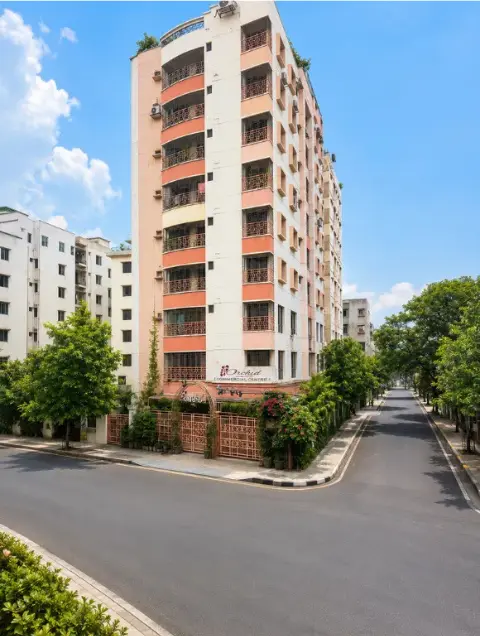
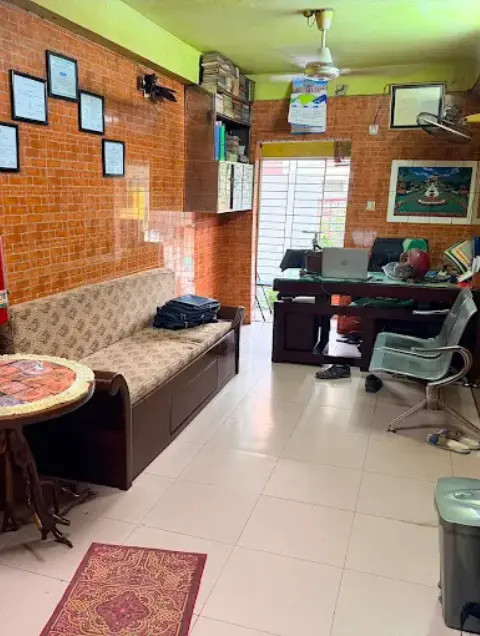
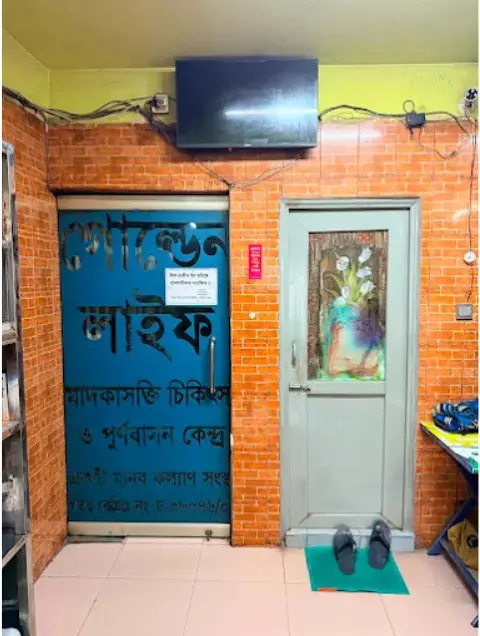
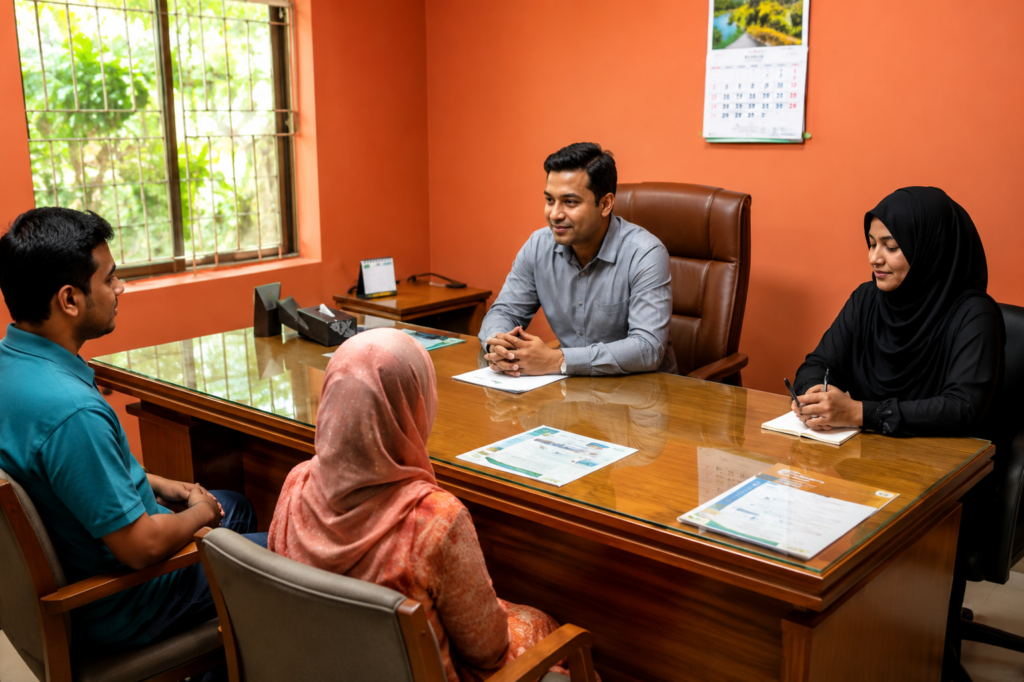
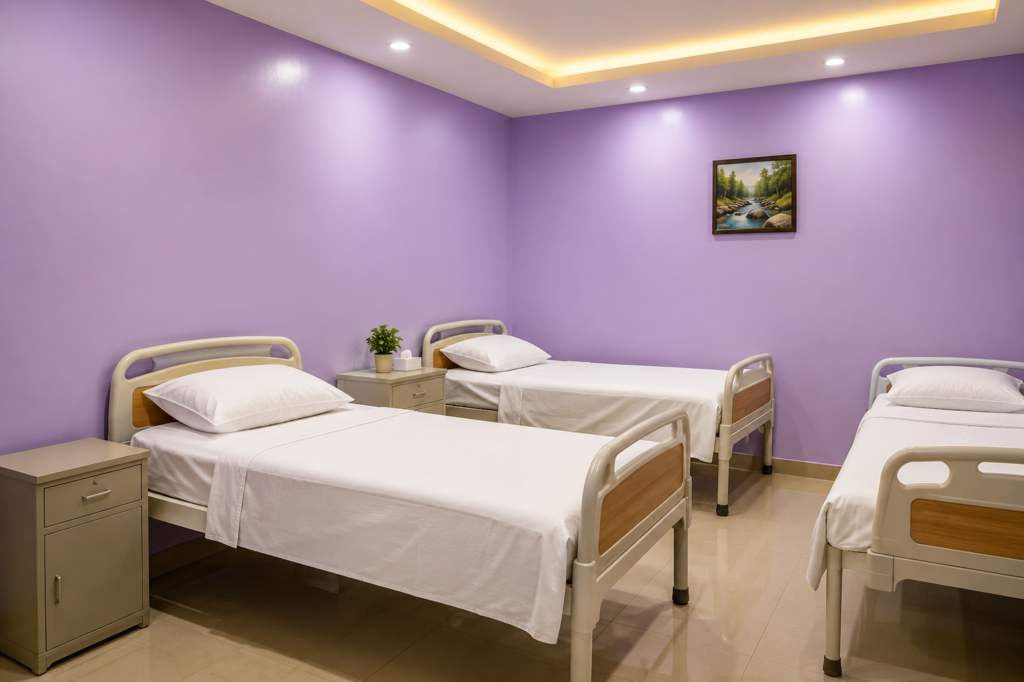
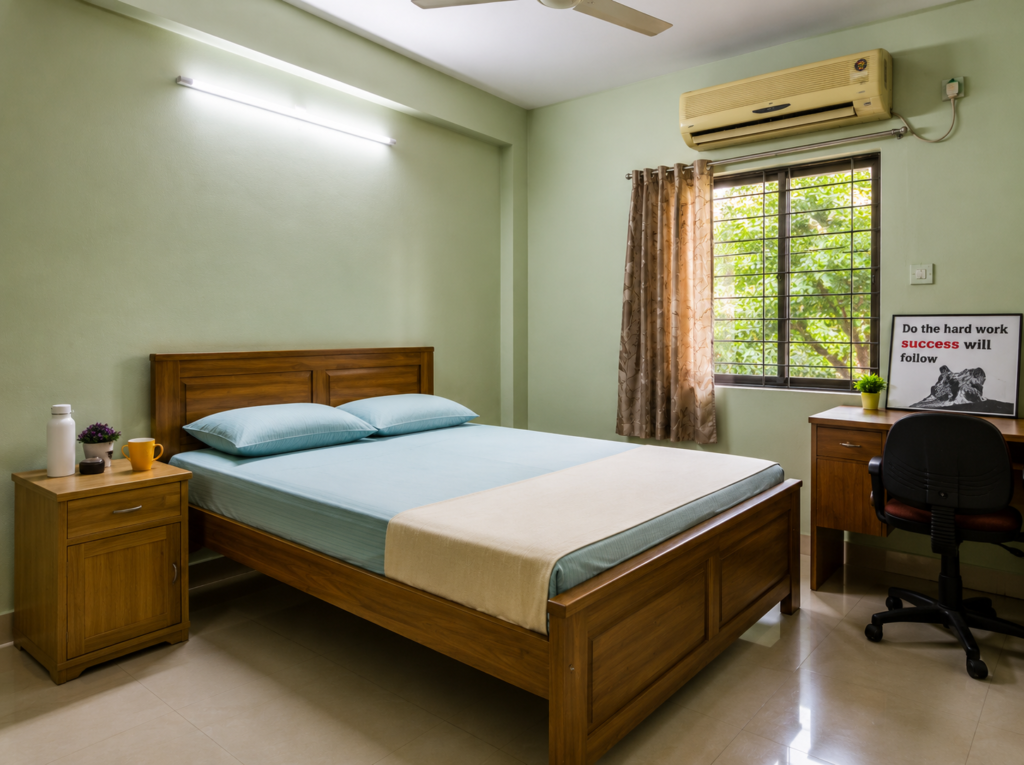
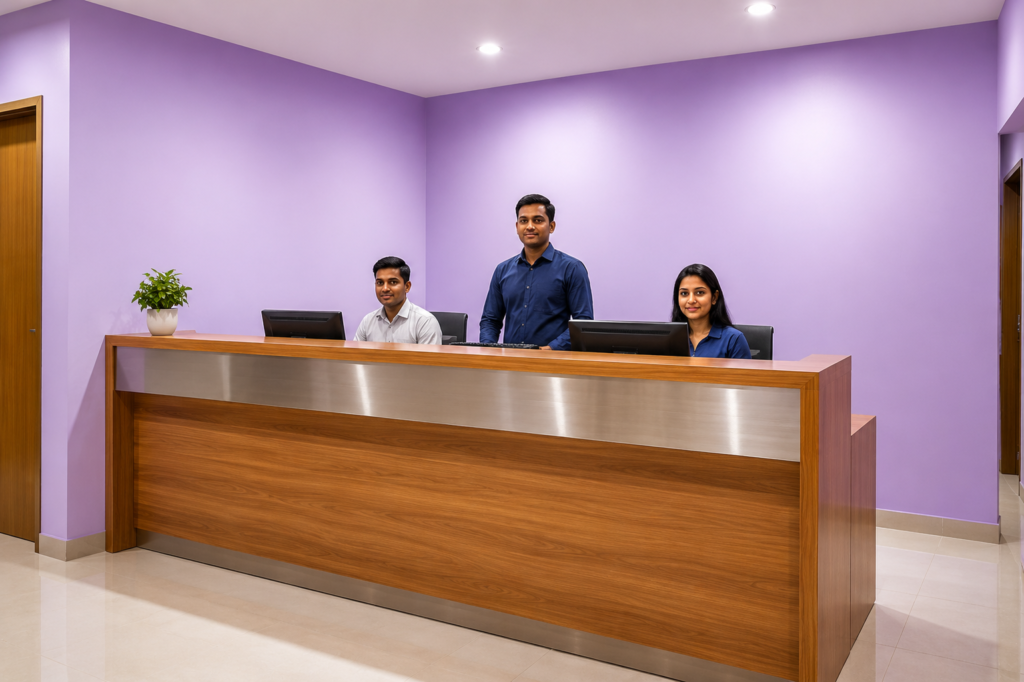
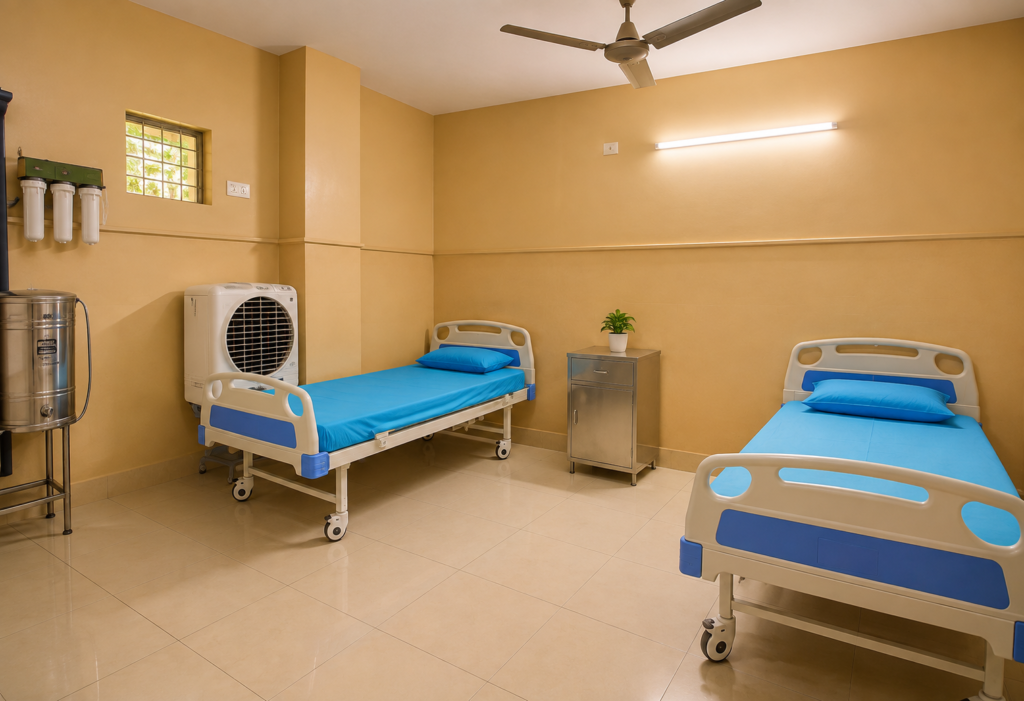
See the place before you trust it with some one
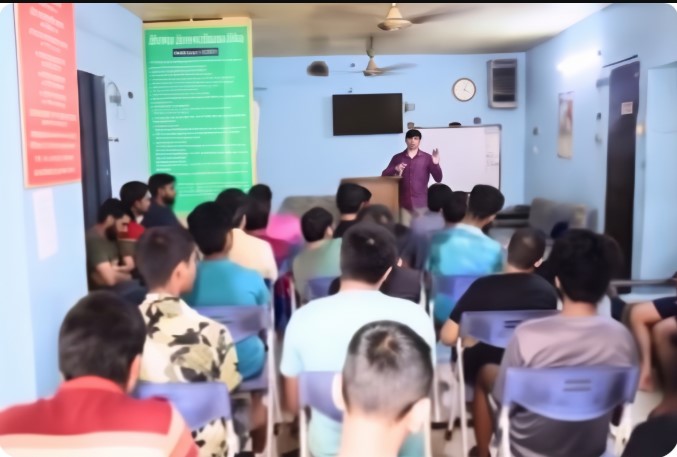
Welcome to golden life BD these are our dedicated spaces and professional team, photograph to show our commitment. Explore our premium facilities and meet out staff before making your choice. We offer transparency and care.
22
Years treating addiction in Dhaka
800+
Patients treated since 2004
100+
Google reviews, rated 4.9 / 5
24/7
Admissions desk, every day of the year
03 — Inside the programme
A gym, a library, real food and someone awake at every hour
The difference between centres is rarely the treatment plan on paper. It is what the other twenty-two hours of the day contain — and whether anyone is there at three in the morning.
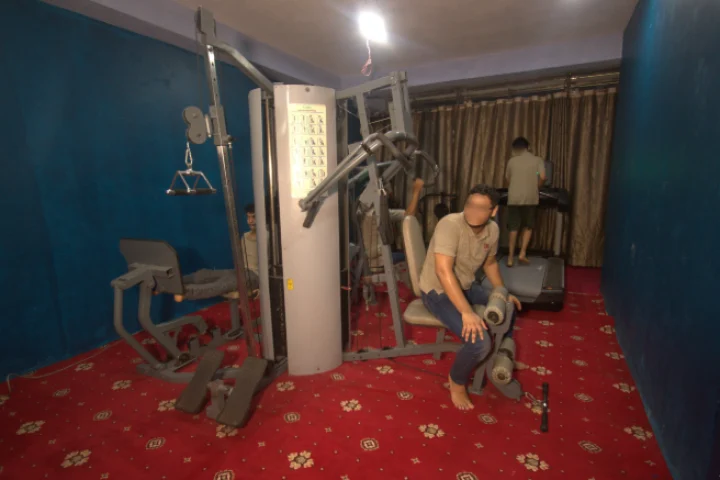
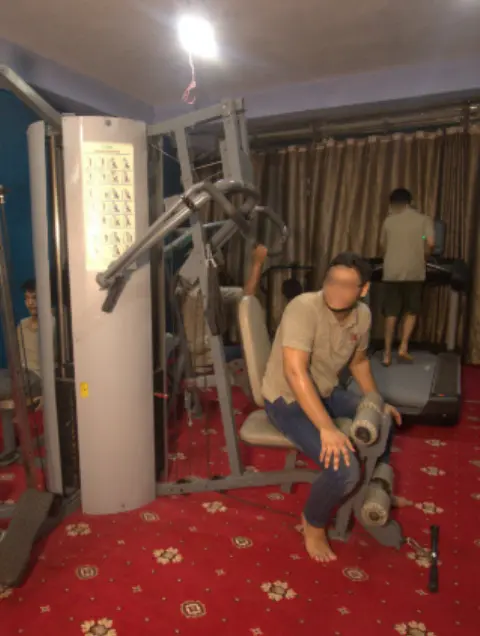
Gym and daily physical training
Golden Life BD has its own equipped gymnasium inside the centre — multi-station resistance equipment, a treadmill and free weights — and supervised exercise is part of the daily timetable, not an optional extra.
Read more
Exercise does specific clinical work in early recovery. It restores the sleep cycle that stimulants and alcohol destroy, brings back appetite, and helps the brain’s own dopamine and endorphin regulation recover — the same system the substance was hijacking. Patients who train daily report noticeably fewer cravings and lower anxiety by the second month, and the routine itself gives shape to a day that used to be organised around using. Sessions are supervised so that patients still recovering physically from malnutrition or liver strain train at a level that is safe for them.
Sports, recreation and group programmes
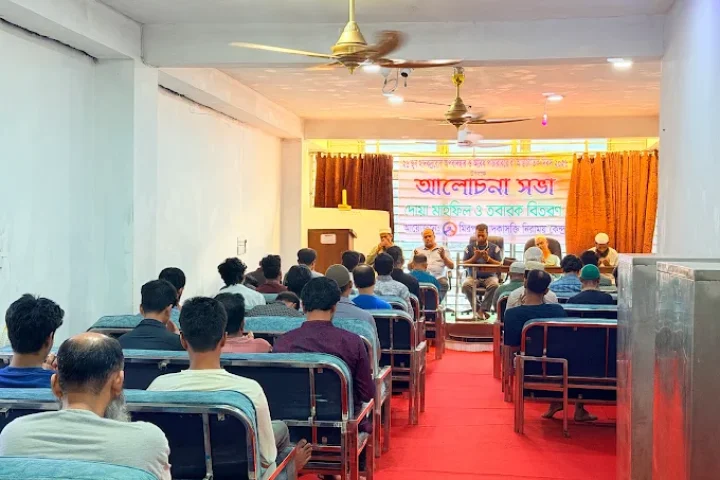
Indoor games, a television and common room, cultural evenings and regular discussion meetings (আলোচনা সভা) run through the week. Nobody sits idle, and nobody is left on their own.
Read more
Isolation is one of the strongest predictors of relapse, so the timetable is built to prevent it. Patients live as a group: they eat together, train together, attend group therapy together and take part in recreation and discussion programmes together. Carrom, chess, table games and television are available in the common room during free periods, and we hold regular awareness and discussion sessions where residents, staff and invited speakers talk openly. For many patients this is the first structured social life they have had in years, and it is where peer accountability — one of the most powerful forces in recovery — actually forms.
Food, nutrition and hygiene
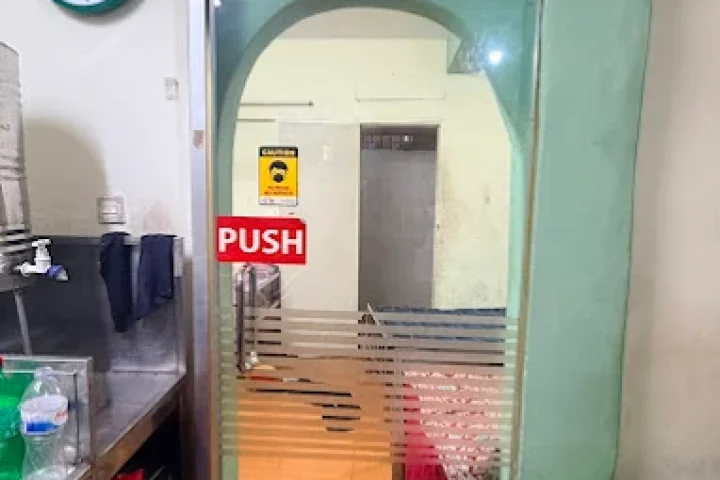
Three full meals and two snacks every day, cooked in our own kitchen. Diet is treated as part of medical recovery, not as catering.
Read more
Almost every patient arrives malnourished. Prolonged stimulant use suppresses appetite for days at a time; alcohol damages the absorption of thiamine and other B vitamins, and that deficiency itself causes lasting neurological harm if it is not corrected. Meals are planned with that in mind — adequate protein, iron and vitamins, with nutritional and vitamin supplementation from day one of detox. The kitchen is maintained to a strict hygiene standard and you are welcome to inspect it before admission. Where a patient has diabetes, hypertension, liver disease or another condition requiring a modified diet, that diet is prepared separately on the physician’s instruction.
Library, reading and written therapy work
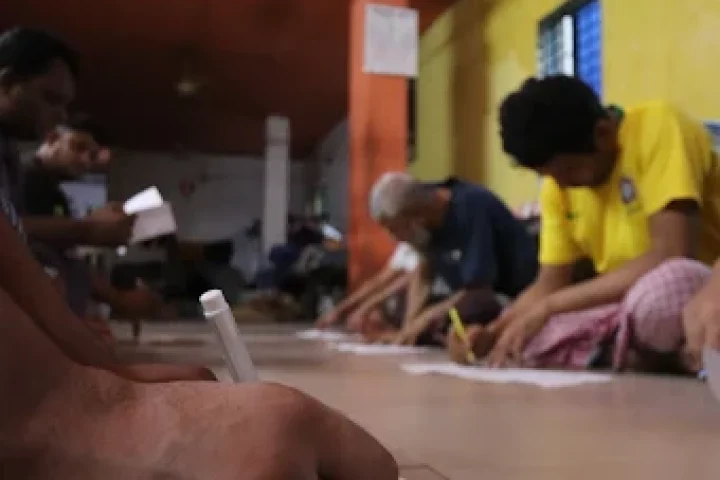
A library patients can use freely, plus structured written work — journals, trigger diaries and step worksheets — that forms a core part of therapy.
Read more
Recovery is not only conversation. Patients keep written records of cravings, triggers and the situations that preceded them, and work through structured worksheets with their counsellor. Writing forces a level of honesty and self-observation that talking alone rarely reaches, and it gives both patient and clinician something concrete to review week by week. The library gives residents something to do with the long quiet hours that early recovery contains — a detail families notice, and one that visitors have singled out in their reviews of the centre.
Doctors and nurses around the clock
A BMDC-registered physician directs every treatment plan and nursing staff are on duty twenty-four hours, including through the night when withdrawal is at its worst. Vital signs, hydration and medication are monitored and recorded, and there is always someone awake to respond.
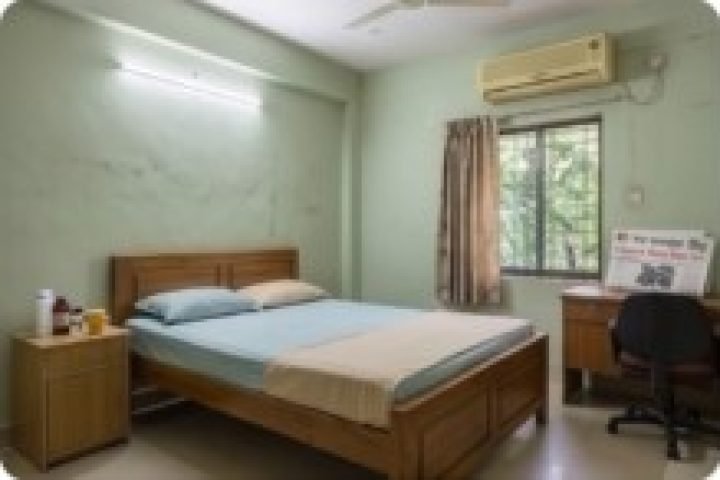
Accommodation from shared rooms to private AC cabins
Clean, ventilated rooms with natural light, cleaned daily, ranging from shared non-AC rooms to a two-bed air-conditioned cabin with its own bathroom. Every room is under staff supervision at all hours.
Space for prayer and personal routine
Time and space are set aside for prayer and personal reflection. Recovery here does not ask anyone to give up what steadies them — for many patients faith is part of what holds the change in place.
A daily routine that never leaves an empty hour
Fixed waking and sleeping times, meals, therapy blocks, exercise, recreation and rest. Most patients arrive having had no structure for years, and the structure itself is part of the treatment.
Talk to a counsellor now — free, and nothing is recorded against you
The admissions desk is staffed twenty-four hours, every day of the year — including Fridays and public holidays. Call if you are ready, message on WhatsApp if it is easier to type than to talk.
04 — Who we are
A rehabilitation centre in Dhaka built around one idea — treat the person, not just the substance.
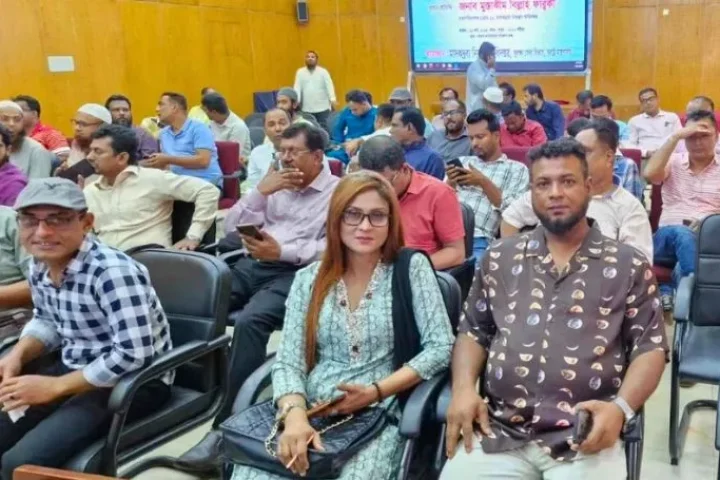
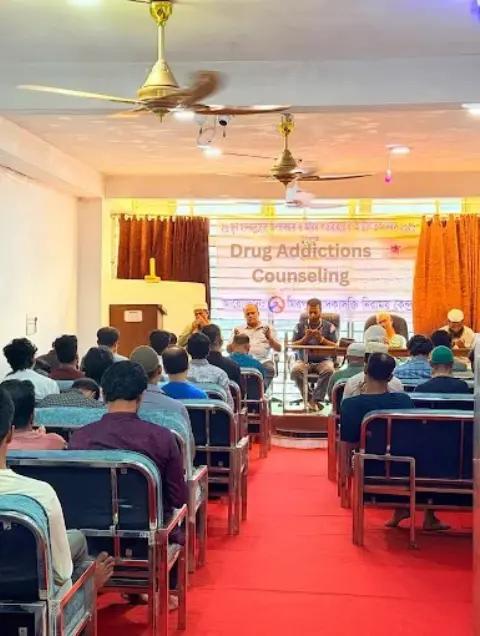
Awareness programme run by Golden Life BD — community work has run alongside treatment since 2004
Golden Life BD — registered as Mirpur Counseling Center — has been treating drug and alcohol addiction in Dhaka since 2004. In twenty-two years the drugs have changed. Heroin gave way to yaba; yaba is now being joined by crystal meth and prescription sedatives. What has not changed is the shape of the problem that arrives at our gate: an exhausted family, a person who does not believe they need help, and a decision nobody feels qualified to make.
We are a residential facility, which means patients live here for the duration of treatment. That matters. Addiction is not undone by willpower or by a fortnight of detox — the brain needs time away from the environment that sustained the habit, and the family needs time to learn a different way of responding. Our core programme runs a minimum of four months for exactly that reason.
Families rarely arrive asking for a treatment programme. They arrive asking whether things can still be fixed. Almost always the answer is yes — but not by trying harder at home.
Dr. Mufassir Husain Sohel · Addiction Medicine, Golden Life BD
Treatment here is medical before it is anything else
Every patient is assessed by a BMDC-registered doctor on arrival, and every treatment plan is written and supervised by one. Detox is managed clinically, not endured. Nursing staff are on duty twenty-four hours, including through the night when withdrawal peaks.
Where depression, anxiety or psychosis sits underneath the addiction — which is far more often than families expect — it is treated in parallel by our psychiatrist, because treating one without the other simply returns the patient to the same place a few months later.
Licensed, inspected, and open to inspection by you
We are licensed by Dhaka North City Corporation and approved as a drug addiction counselling, treatment and rehabilitation centre by the Department of Narcotics Control under the Ministry of Home Affairs. Our fire safety clearance is current and inspected.
These are not decorations — before you admit anyone to any facility in Bangladesh, you are entitled to ask to see all three, and you should. Ours are displayed at the centre and you are welcome to read them when you visit.
How twenty-two years has changed what arrives at our gate
When we opened in 2004 the presenting problem was overwhelmingly heroin and phensidyl. Yaba displaced both within a decade. Today we are seeing crystal meth among younger patients, prescription sedative dependence that began with a legitimate doctor’s note, and a rising share of adolescents whose first compulsive behaviour was not a substance at all.
What has not changed is the clinical principle: treat the person, the psychiatric condition and the family together, and give it enough time to hold. You can read more on our rehabilitation treatment page, or see the daily routine patients follow while they are with us.
05 — What we treat
Addictions and conditions we are equipped for
Each substance has a different withdrawal profile and a different relapse pattern. We do not run one programme for everybody.
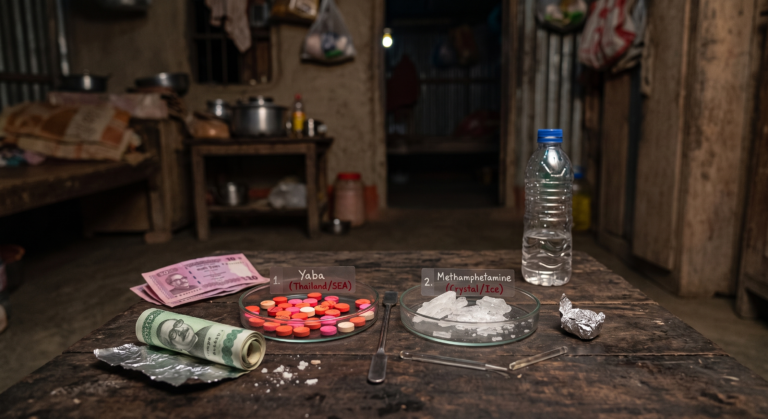
Most common in Bangladesh
Yaba & methamphetamine
What this involves
Stimulant dependence brings severe sleep disruption, weight loss, paranoia and aggression. Withdrawal is psychologically brutal rather than physically dangerous, which is why it so often fails at home.
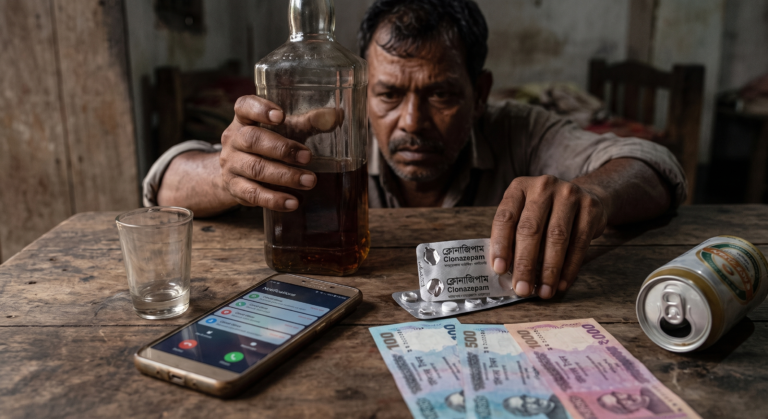
Medically urgent
Alcohol dependence
What this involves
The one addiction where stopping suddenly can kill. Seizures and delirium tremens are real risks after heavy long-term use — alcohol detox belongs under medical supervision, never at home.
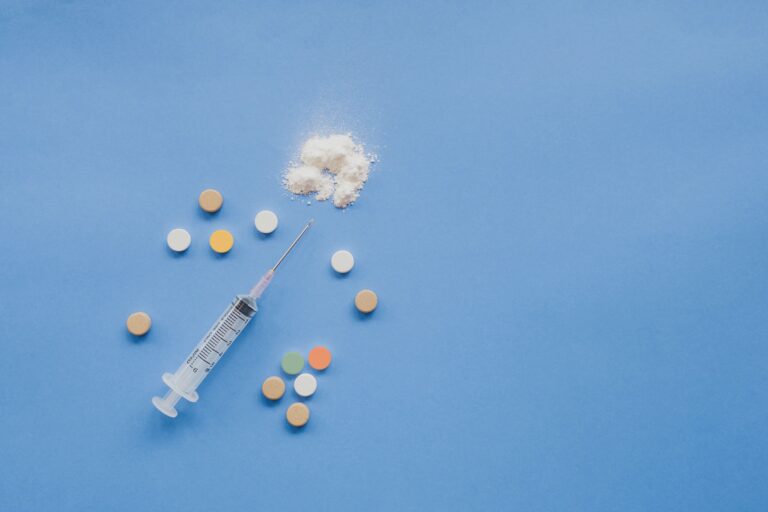
Opioids
Heroin & opioid dependence
What this involves
Physical withdrawal peaks within 72 hours and is intensely painful. Managed medically it is entirely survivable; unmanaged, it is the single biggest reason people return to use within days.
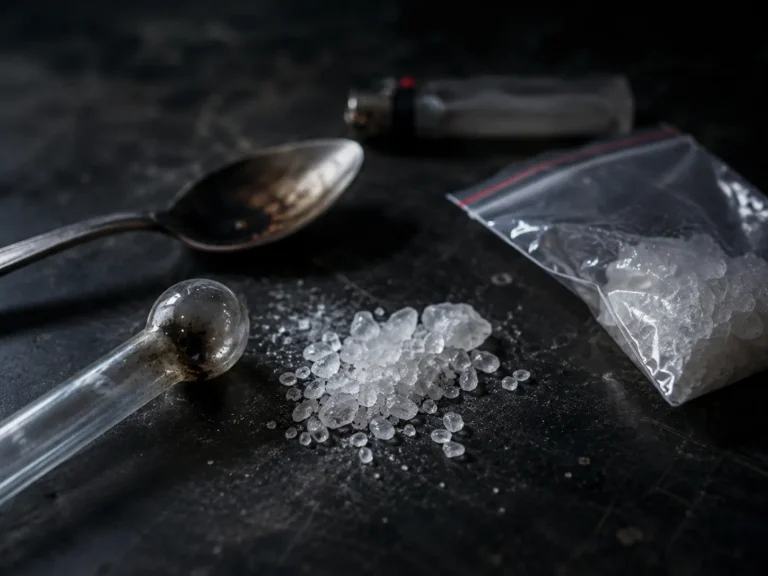
Rising sharply
Crystal meth (ICE)
What this involves
Increasingly common among younger users in Dhaka. Produces prolonged psychosis in some patients, which needs psychiatric treatment alongside addiction care.
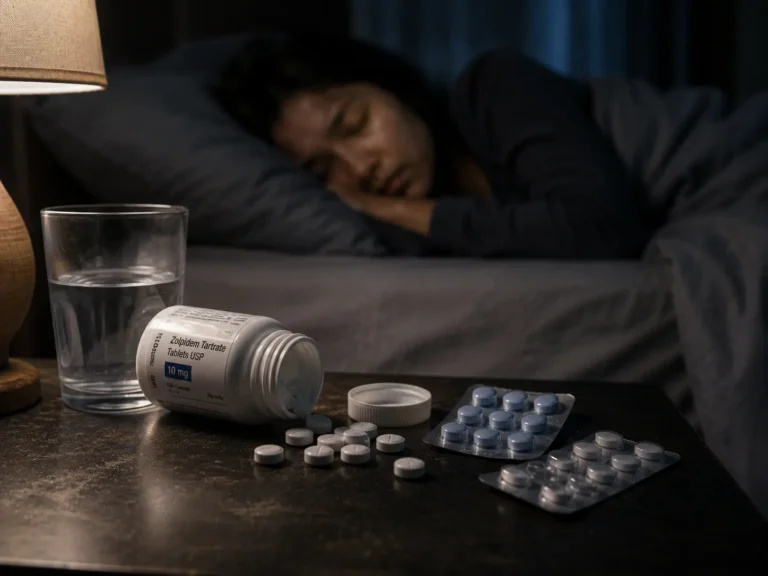
Often overlooked
Sleeping pills & sedatives
What this involves
Prescription dependence rarely looks like addiction to the family, because it began with a doctor’s note. Like alcohol, abrupt withdrawal from benzodiazepines carries seizure risk.
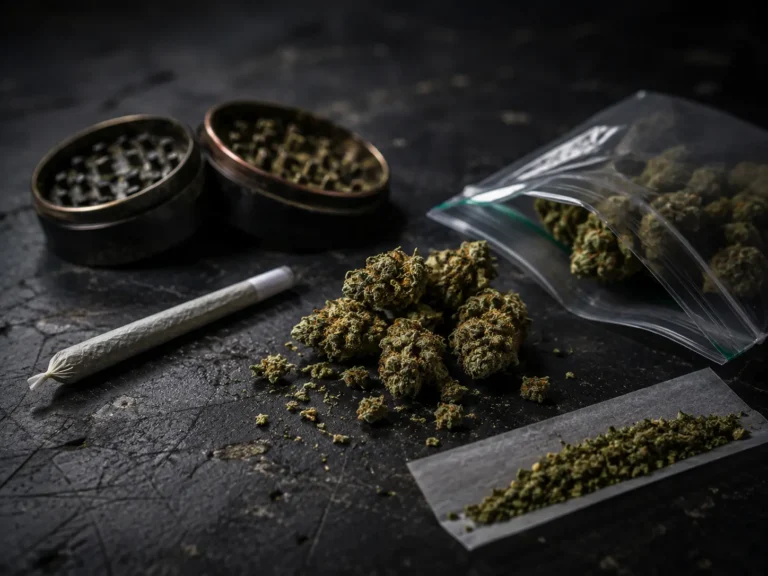
Cannabis
Ganja & cannabis
What this involves
Frequently dismissed as harmless. In practice it is the most common gateway we see, and heavy adolescent use is strongly associated with later psychiatric presentation.
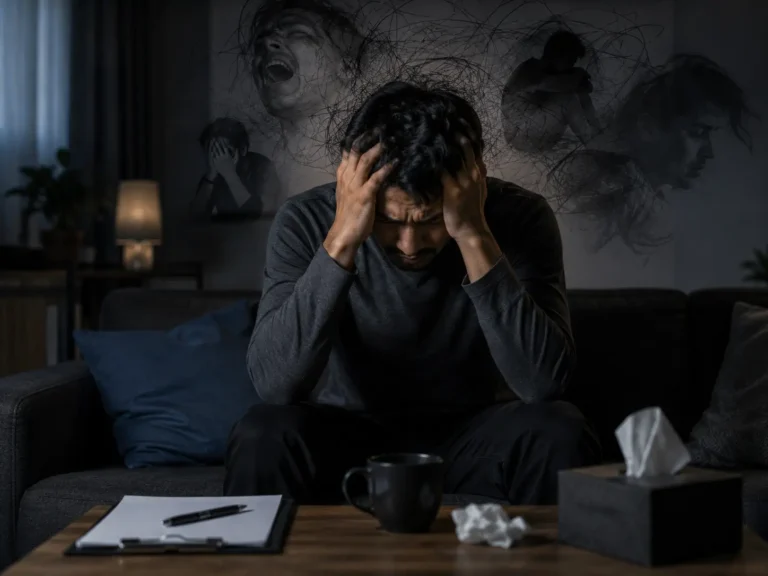
Dual diagnosis
Co-occurring mental illness
What this involves
Depression, bipolar disorder, schizophrenia and severe anxiety. A large share of our patients arrive with one of these underneath the addiction — both are treated together.
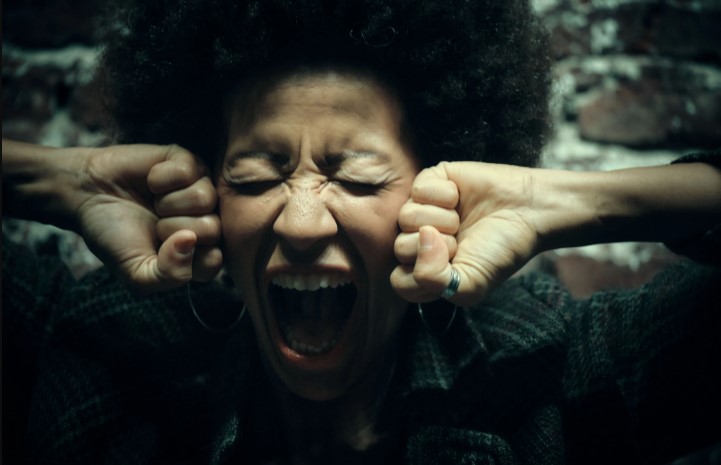
Behavioural
Anger, violence & self-harm
What this involves
Anger management, impulse control and suicidal ideation are treated as clinical issues in their own right, not as side effects that will resolve once the drugs stop.
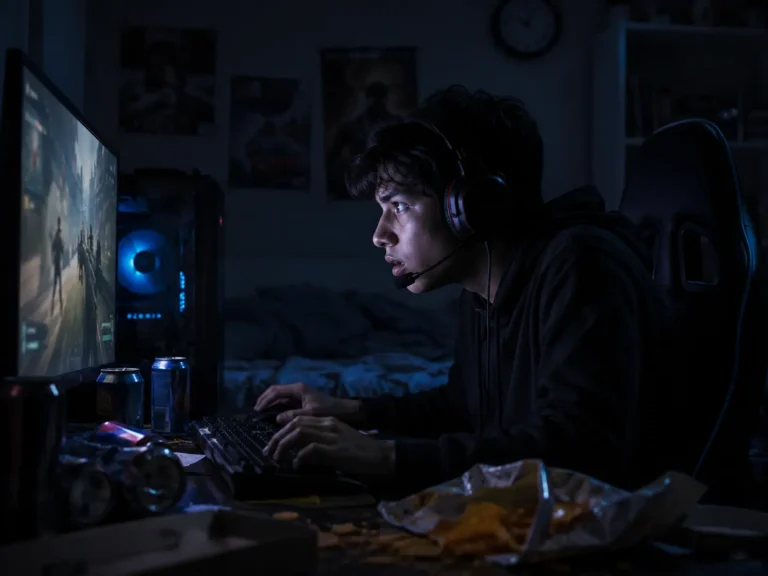
Non-substance
Technology & gaming addiction
What this involves
Compulsive mobile phone use, gaming and pornography dependence — particularly among adolescents. Managed through structured behavioural therapy and family boundary work.
06 — Recognising the problem
How to tell whether someone you love needs treatment
Families almost never act on the first suspicion. If three or more of these are true, the situation has usually gone further than it appears from the outside.
You do not have to be certain before you call.
Most people who contact us are not sure whether what they are seeing is addiction or something else. That is exactly what the first conversation is for. Ten minutes with a counsellor will tell you more than another month of watching and worrying.
Money stops adding up
Cash or household items going missing, constant borrowing, unexplained debts.
Sleep has inverted
Awake through the night, sleeping through the day, sharp weight loss, reddened eyes.
Sustained secrecy
Consistent lying about where they have been and who they were with; long periods locked away alone.
New circle, old friends gone
Long-standing friendships dropped in favour of company the family has never met.
Work or study collapses
Repeated absence, falling results, or a job lost — with no explanation that holds together.
Volatility at home
Disproportionate rage over small things, broken property, or the opposite — flat, withdrawn depression.
Physical tells
Marks on the arms, persistent runny nose, tremor in the hands, sudden neglect of hygiene.
Promises that keep failing
Repeatedly quitting for a few days, then returning — each time with a more convincing reason.
07 — Admission
What actually happens, step by step
No paperwork maze and no pressure. Most families complete admission within 24 hours of their first call.
01
Call us — there is no fee for this
Ring +880 1716-623665 at any hour. A counsellor will spend ten to fifteen minutes understanding the situation: which substance, how long, how much, what has already been tried, and what the patient’s physical condition is. At the end of that call you will be told plainly whether residential treatment is warranted — and if it is not, we will say so.
- 10–15 minutes · free · open 24 hours
02
Come and see the centre before deciding
You are welcome to visit before committing to anything, and you do not need an appointment. See where patients sleep, look at the kitchen, meet the staff who will be on duty. We would rather you judged the place with your own eyes than trusted a photograph on a website — including this one.
- House 33, Block-F, Road 4, Kolwalapara, Mirpur-1
03
Medical assessment by our doctor
On arrival the patient is examined by our physician. We establish the substance profile and duration, check physical condition — liver function, nutrition, injection sites, any injury — and screen for the psychiatric conditions that so often sit underneath. The treatment plan is written from this assessment, not from a template.
04
What to bring with you
Keep it simple. If a document is missing, call us — it is almost never a reason to delay an urgent admission.
- Patient's National ID photocopy (or birth certificate)
- Guardian's National ID photocopy
- Four passport-size photographs
- Previous medical or treatment records, if any
- Personal clothing and daily necessities
- Any prescribed medication currently being taken
05
Written plan, written cost
Before admission is completed you receive the treatment plan, the expected duration and the total fee — in writing. We do not add charges midway through treatment. If something genuinely unforeseen arises, such as a hospital referral for a separate medical condition, you are consulted before anything is spent.
06
The first 72 hours
Medically supervised detox begins. This is the hardest stretch for the patient and the most anxious for the family, so it is also the period we monitor most closely — round the clock, with medication used where clinically indicated to keep withdrawal tolerable. The family is telephoned with an update every day during this phase.
- Round-the-clock monitoring
“He will never agree to go.” — what to do about that
This is the single most common thing families tell us, and it is rarely the obstacle it feels like. Almost nobody agrees at first. What changes the outcome is how the conversation is held — who raises it, when, in what tone, and which sentences to avoid entirely. Our counsellors will coach you through that before you attempt it.
In a small number of cases — where there is immediate risk to the patient or to others — our trained staff can assist with bringing the patient in. Whether that is appropriate depends entirely on the individual circumstances and the family’s situation, and it is decided case by case in conversation with us. It is never our first suggestion.
08 — Alcohol addiction treatment
Alcohol Addiction Treatment Center in Dhaka
Of everything we treat, alcohol is the one where delay carries the most immediate medical danger — and the one families in Bangladesh most often try to handle privately.
Alcohol dependence in Bangladesh hides. Because drinking carries a particular social and religious weight here, it tends to happen quietly and be discovered late — often only when a medical crisis, a lost job or a collapsing marriage forces it into the open. By the time a family calls us, the pattern has usually been established for years.
Stopping suddenly can be fatal — this is not an exaggeration
After prolonged heavy drinking, abruptly stopping can trigger withdrawal seizures and delirium tremens, a state of severe confusion, fever and cardiovascular instability that carries a genuine risk of death when untreated. This is why alcohol detox must never be attempted at home, and why “locking him in a room until it passes” is one of the most dangerous things a well-meaning family can do.
How alcohol detox is managed here
At Golden Life BD, alcohol treatment begins with a graded, medically supervised detox. Withdrawal is managed with medication where clinically indicated, vital signs are monitored, and thiamine and nutritional support are given — long-term drinkers are almost always deficient, and that deficiency itself causes neurological damage if left uncorrected.
What happens once the body is stable
The real work starts after detox. We look at what the drinking was doing for the person — managing anxiety, blunting grief, making social situations survivable — because unless that function is replaced with something else, abstinence rarely lasts. Where depression or an anxiety disorder is driving the drinking, our psychiatrist treats it directly.
Why family work matters most in alcohol cases
Drinking is usually woven into household routine in ways nobody has noticed, and relapse most often happens in the first weeks back home. We prepare the family for that specifically. You can read more on our alcohol addiction treatment page.
Programme length
Minimum four months residential, including detox, therapy and discharge preparation
Detox phase
Typically the first two to three weeks, under continuous medical supervision
Medical monitoring
Vital signs, hydration, nutritional status and liver function reviewed throughout
Treated alongside
Depression, anxiety disorders, insomnia and, where present, polysubstance use
Family involvement
Structured counselling sessions and a written relapse-prevention plan before discharge
After discharge
Scheduled follow-up contact and rapid re-engagement if warning signs appear
09 — Our method
How treatment actually works here
Four phases, each with a specific clinical purpose. Skipping any one of them is why so many people relapse.
Phase 01
Detoxification — clearing the body safely
Detox is where treatment begins, and where it most often fails when attempted without medical support. As the substance leaves the body the patient may experience insomnia, vomiting, tremor, severe agitation, muscle pain and intense craving. How dangerous this is depends entirely on the substance.
Read the full phase
Our physician manages the process clinically — medication where indicated, hydration and nutrition, and continuous observation through the most acute phase. The aim is not to make withdrawal comfortable, which is not possible, but to make it safe and survivable so the patient reaches the stage where actual therapy can begin. Alcohol and benzodiazepines are the two exceptions where withdrawal itself can be life-threatening — both require supervised detox without exception.
- Physician-led assessment before detox begins
- Round-the-clock observation through the acute phase
- Medication used where clinically indicated
- Nutritional and vitamin support from day one
- Daily telephone update to the family
Phase 02
Therapy & counselling — where recovery is built
A clean body is not a recovered person. Once detox is complete, the substantive work begins — and it occupies the majority of the four-month programme.
Read the full phase
In individual counselling we trace the origin: what the substance was solving, which situations trigger the urge, what the person does in the ninety seconds after that urge arrives. In group sessions patients discover they are neither uniquely broken nor uniquely clever — both illusions have to go before progress is possible. Where a psychiatric condition sits underneath, our psychiatrist treats it in parallel; untreated depression is one of the strongest predictors of relapse we see.
- One-to-one counselling sessions
- Group therapy and peer accountability
- Psychiatric treatment for co-occurring illness
- Trigger mapping and craving-management skills
- Structured daily routine and physical activity
Phase 03
Family programme — treating the household
Addiction is not an individual illness with family bystanders. Over years, households develop patterns that unintentionally keep the addiction alive — paying off debts, covering for absences, alternating between fury and appeasement, or simply never naming what everyone can see.
Read the full phase
None of that comes from bad intention. It comes from love with no instruction manual. Our family sessions replace it with something workable: how to speak about use without triggering a fight, where the boundaries go and how to hold them, what to do with money, and how to respond in the first difficult week after the patient comes home.
- Structured family counselling sessions
- Communication coaching for difficult conversations
- Boundary setting around money and access
- Recognising the early signals of relapse
- A written plan for the first month at home
Phase 04
Reintegration — preparing to leave, and to stay well
The final phase of the programme is about the world outside. A patient who is stable inside a controlled environment has not yet been tested; the test starts the day they walk out.
Read the full phase
We work on the practical architecture of an ordinary life: a fixed daily routine that does not leave long empty stretches, a realistic plan for returning to work or study, and a strategy for the old circle — because in a city like Dhaka, avoiding every former contact is not always possible, and pretending otherwise sets people up to fail. Before discharge we sit down with the family and write a plan. Nobody leaves here with a handshake and good wishes.
- Structured routine for life after discharge
- Return-to-work or study planning
- Relapse-prevention strategy, written down
- Scheduled follow-up contact after discharge
- Rapid re-engagement if things start slipping
10 — The four months
What actually happens, month by month
Detox is three weeks of it. The other three months are the part that decides whether recovery holds.
Week 1–3
Detox
Withdrawal is managed medically with round-the-clock monitoring. The family is telephoned with an update every single day of this phase.
Month 1–2
Therapy
Individual and group counselling begins. Triggers are mapped, and any depression, anxiety or psychosis underneath is treated in parallel.
Month 3
The family
The household learns a different way of responding — boundaries, money, and how to raise the subject without it turning into a fight.
Month 4
Going home
Daily routine, a realistic return-to-work plan and a written relapse-prevention plan, agreed with the family before discharge day.
11 — Cost of treatment
Rehab centre cost in Dhaka — stated openly
Every package is a minimum four-month residential programme. Accommodation, all meals, medically supervised detox, therapy and follow-up are included in each one. What changes between them is room type and the intensity of individual attention.
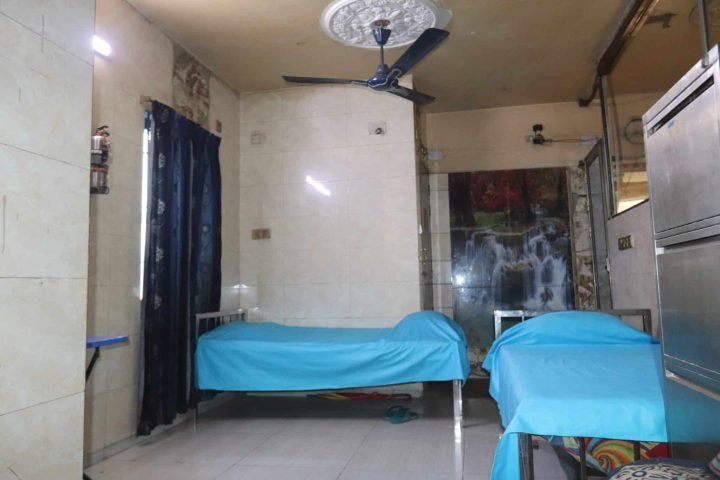
Package 1
For families who need the complete programme at the most accessible cost
৳80,000
Four-month programme · ৳20,000 per month
- Shared accommodation (1–10 bed), non-AC
- Three meals and two snacks daily
- Medically supervised detoxification
- Group therapy and counselling
- Family counselling sessions
- TV and common recreation area
- Follow-up contact after discharge
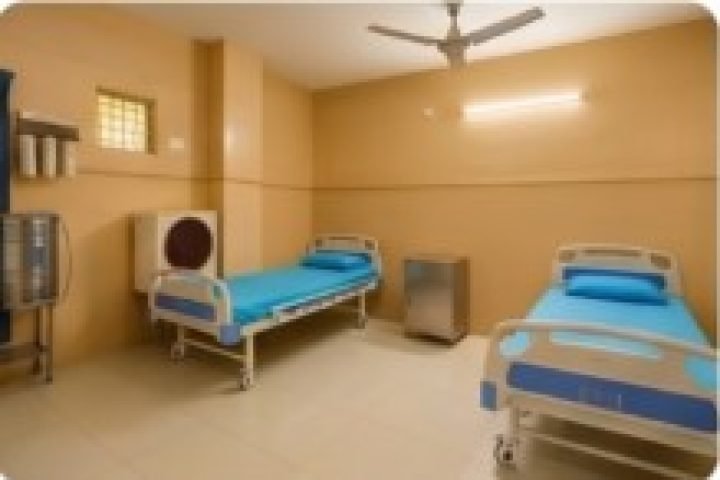
★ Most chosen
Package 2
Fewer patients per room and more individual therapy time
৳1,20,000
Four-month programme · ৳30,000 per month
- Shared accommodation (1–5 bed), non-AC
- Everything included in Package 1
- Additional one-to-one counselling
- Regular psychiatric review
- Scheduled family sessions
- Extended follow-up period
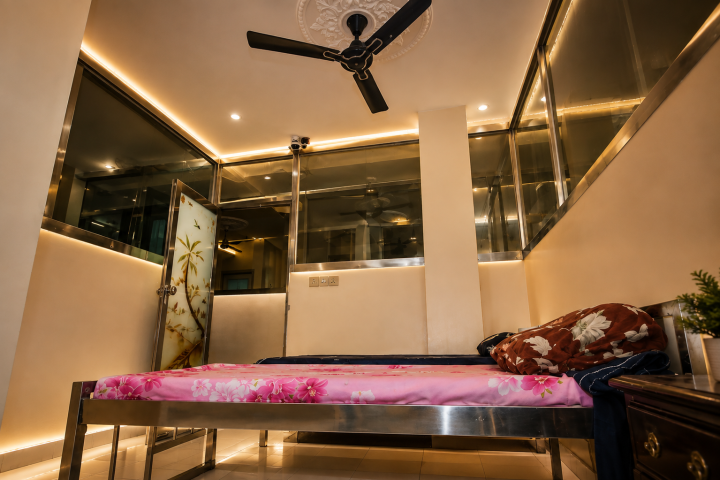
Package 3
Higher-specification accommodation with closer medical review
৳1,60,000
Four-month programme · ৳40,000 per month
- Two-bed room, non-AC
- Everything included in Package 2
- More frequent physician review
- Specialised therapy sessions
- Enhanced aftercare support
Package 4
Air-conditioned room with the highest level of privacy and attention
৳2,00,000
Four-month programme · ৳50,000 per month
- Two-bed AC room with separate bathroom
- Everything included in Package 3
- Additional dietary provision
- Individual counselling programme
- Maximum privacy and discretion
- Longest aftercare follow-up
Why four months, when other centres offer fifteen-day programmes?
Because detox is not treatment. Clearing the substance from the body takes two to three weeks; changing the thinking and the habits that produced the addiction takes considerably longer. Short programmes discharge people who feel physically well and are psychologically unchanged — which is why so many families who try them end up calling a second centre a few months later. We would rather be honest about the timeframe at the start.
12 — Choosing a centre
Government or private rehabilitation centre?
We are a private facility, but private is not automatically the right answer. Here is the honest comparison.
Government centres
Operated by the state · nominal fees
- Substantially lower cost — fees are nominal
- Recognised government facilities with qualified staff
- A sensible starting point when money is tight
- Limited beds — waiting lists are common
- Individual attention constrained by patient volume
- General ward accommodation
- Limited family counselling provision
- Limited structured aftercare
Examples in Dhaka: Central Drug Addiction Treatment Centre (Tejgaon), National Institute of Mental Health, Dhaka Ahsania Mission.
Private centres (including us)
Golden Life BD · Mirpur-1, Dhaka
- Usually admitted within 24 hours of the first call
- More one-to-one therapy time per patient
- Accommodation from shared rooms through to private AC rooms
- Structured, scheduled family counselling
- Planned follow-up and relapse support after discharge
- Approximately ৳20,000–৳50,000 per month
- Quality varies widely between centres — verify the licence
Private care makes the clearest difference where the patient has relapsed repeatedly, where a psychiatric condition sits alongside the addiction, or where admission simply cannot wait.
Our honest advice
If money is tight and the situation is not acute, starting with a government centre is a perfectly sensible decision, and we will tell you so on the phone. You are also entitled to check any centre’s licensing status directly with the Department of Narcotics Control before you commit — we would encourage it.
13 — Clinical team
Who will be treating your family member
Addiction is a medical condition, and it is treated here by registered medical professionals. Registration numbers are published so that you can verify them independently.
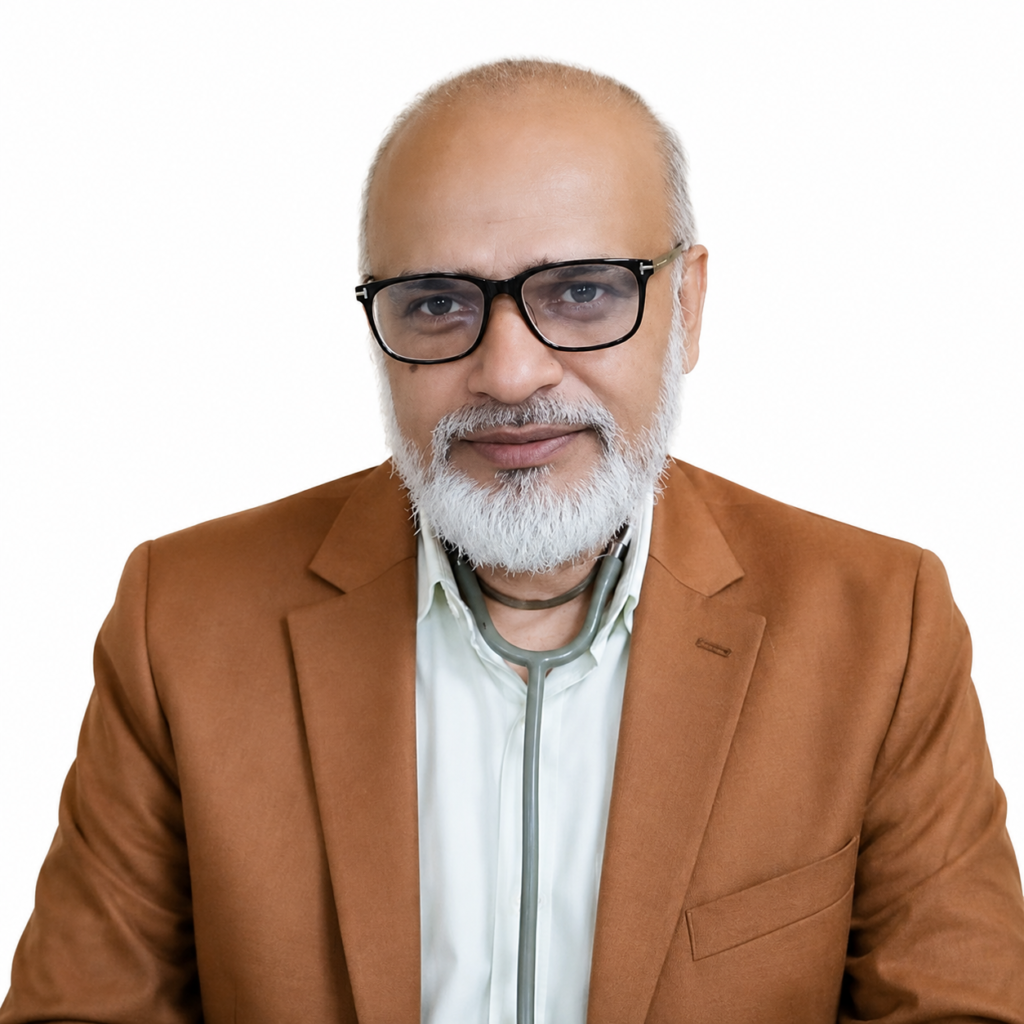
Dr. Mufassir Husain Sohel
Addiction Medicine
MBBS, Mymensingh Medical College. Certified Addiction Professional under the Universal Treatment Curricula (UTC 1–8). Leads detox protocols and writes the medical treatment plan for every admission.
- BMDC Registration A-26981
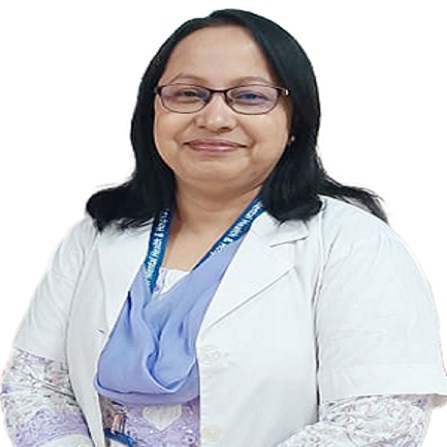
Dr. Shahana Parven
Consultant Psychiatrist
Treats the psychiatric conditions that sit alongside addiction — depression, bipolar disorder, anxiety, psychosis and severe insomnia. Reviews every patient presenting with a dual diagnosis.
- BMDC registered · certificate on file
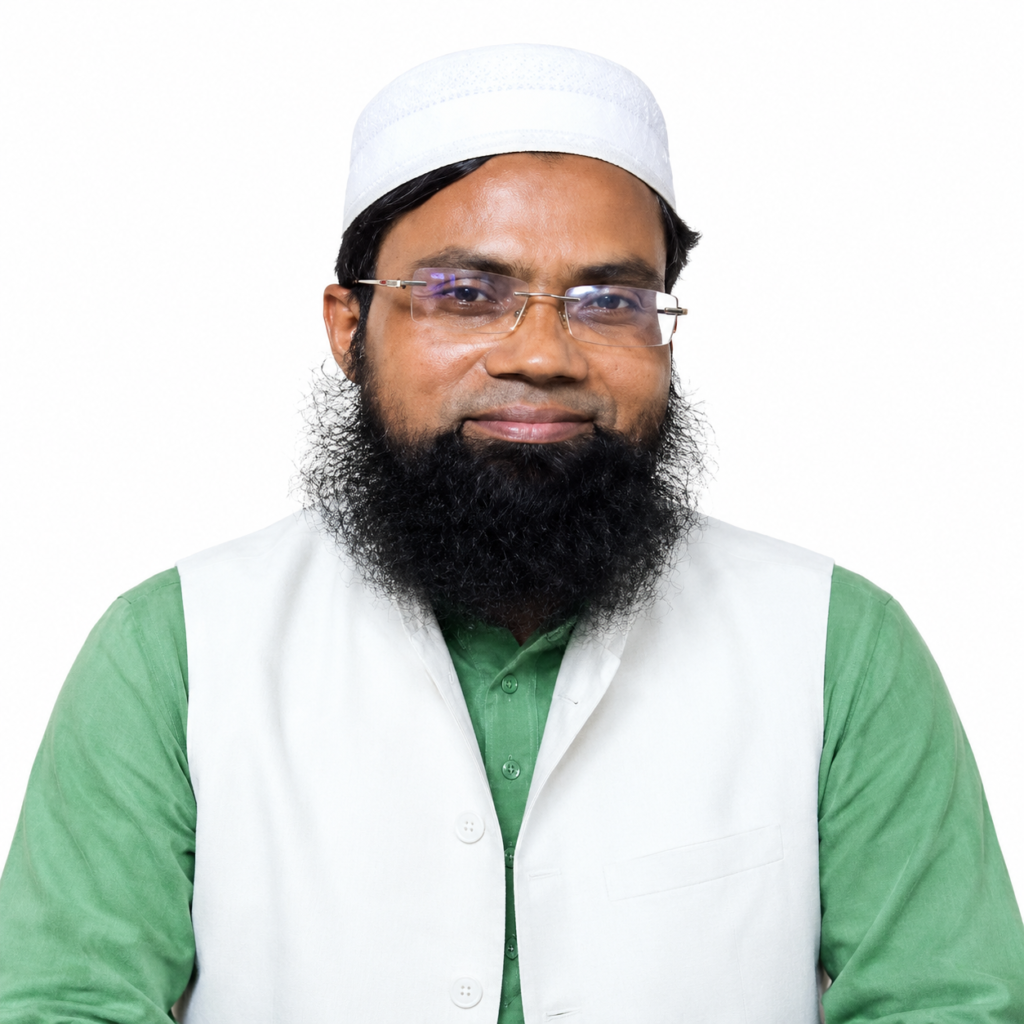
Md. Hafijul
Clinical Psychologist
Runs individual and group therapy, trigger mapping and relapse-prevention work, and leads the structured family counselling programme with patients’ relatives.
- Clinical Psychology
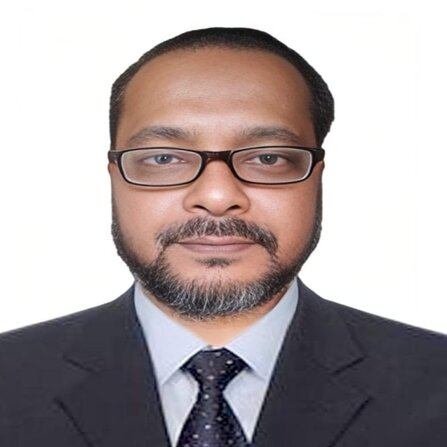
Rousso
Addiction Counsellor
Individual and group counselling, relapse-prevention work.
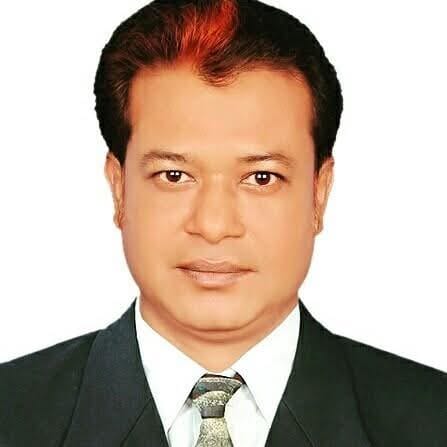
Sohel Ahmed
Addiction Counsellor
Day-to-day therapeutic programme and patient supervision.
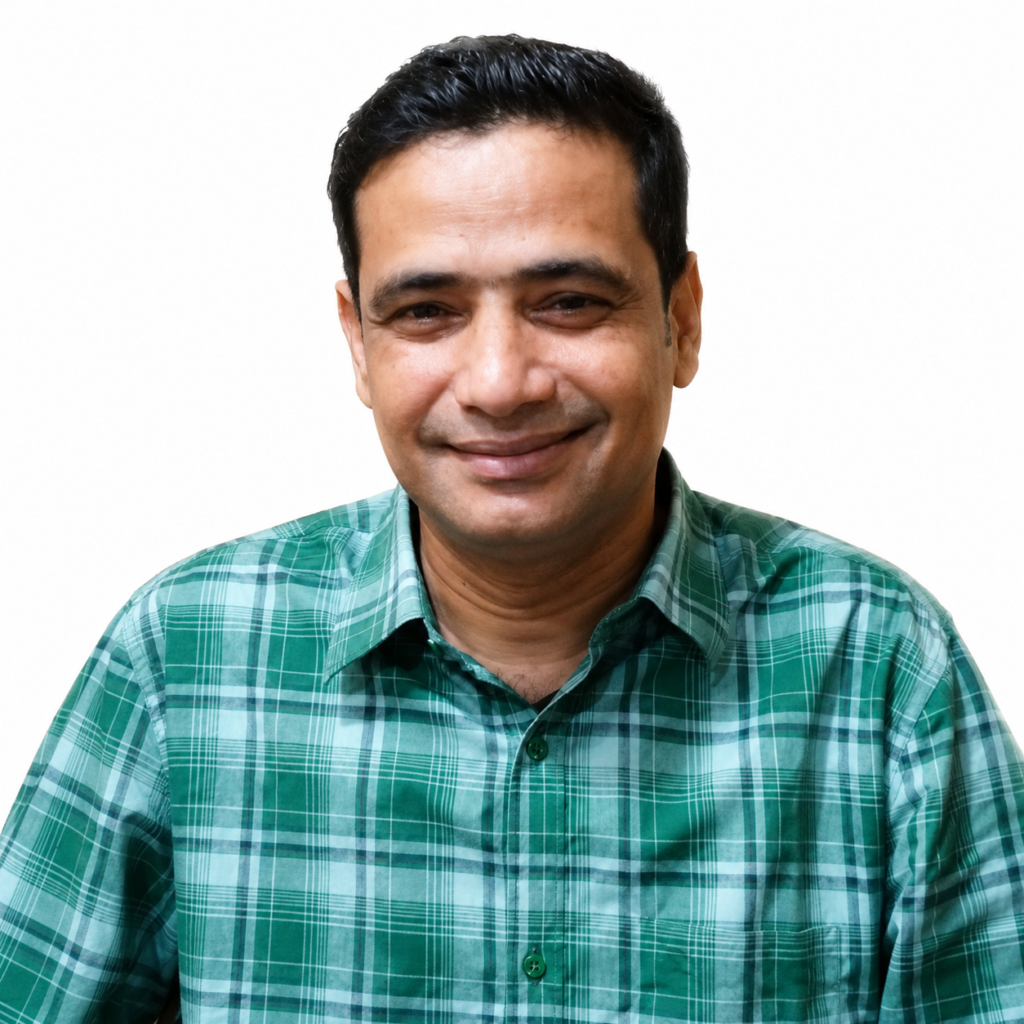
Asad Ur Rahman Rasel
Centre Manager
Admissions, family liaison and day-to-day running of the centre.
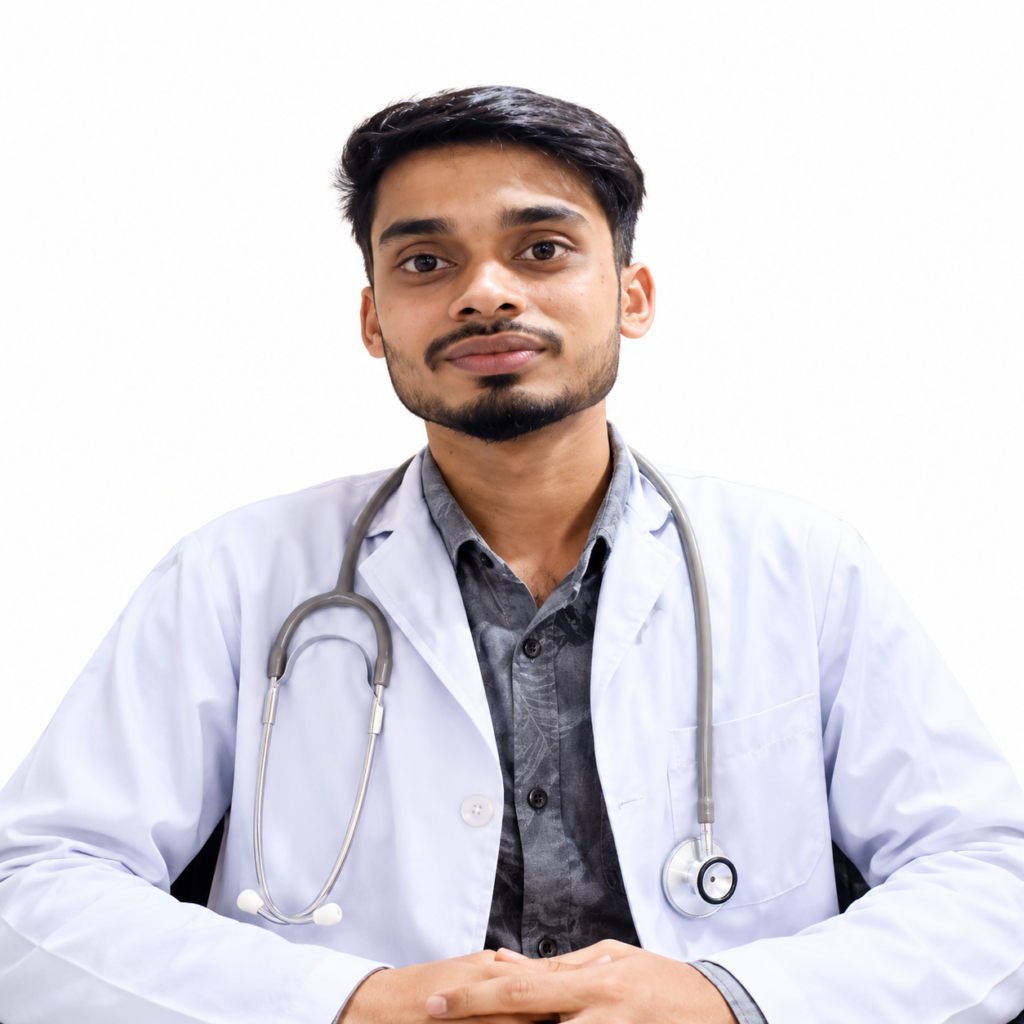
Bishal Roy
Medical Assistant
Round-the-clock monitoring during detox, medication administration.
14 — Licensing
Government approvals and certification
Before admitting anyone to any rehabilitation centre in Bangladesh, ask to see these three documents. Any legitimate facility will produce them without hesitation.
Trade Licence
Dhaka North City Corporation (DNCC)
Registered entity: Mirpur Counseling Center
- TRAD/DNCC/003817/2022
Narcotics Control Approval
Department of Narcotics Control, Ministry of Home Affairs — approved for drug rehabilitation, detoxification, addiction counselling, family counselling and aftercare
- Licence certificate displayed at the centre and available for inspection
Fire Safety Clearance
Fire Service & Civil Defence
Most recent inspection: July 2026
- FSCD/DHK/2026/32377/16
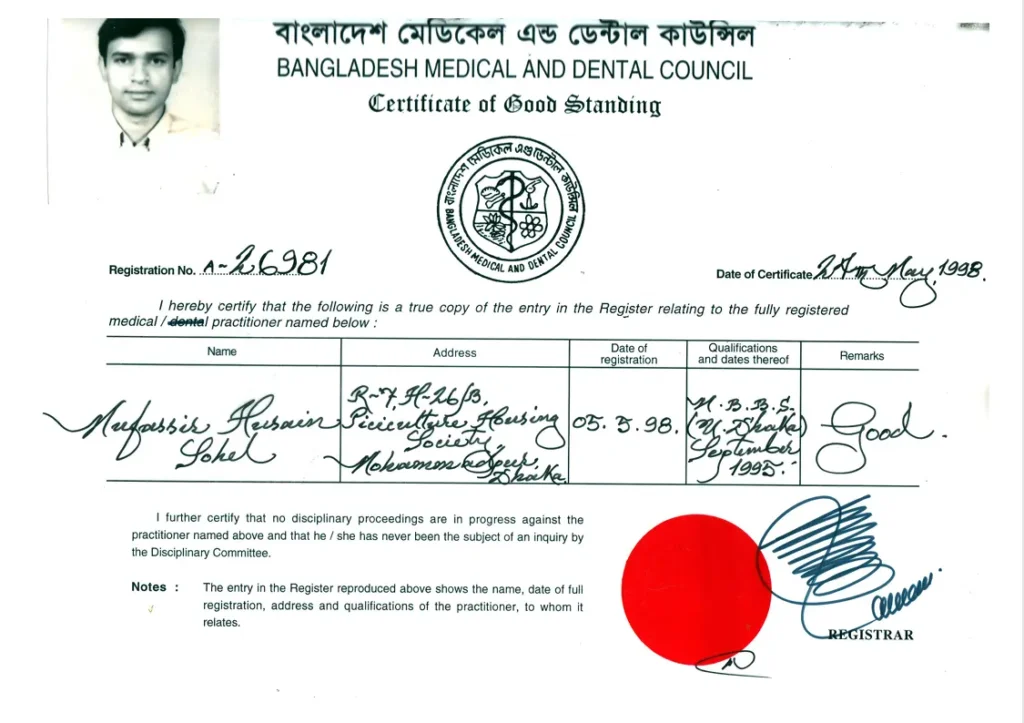
BMDC registration — Dr. Mufassir Husain Sohel
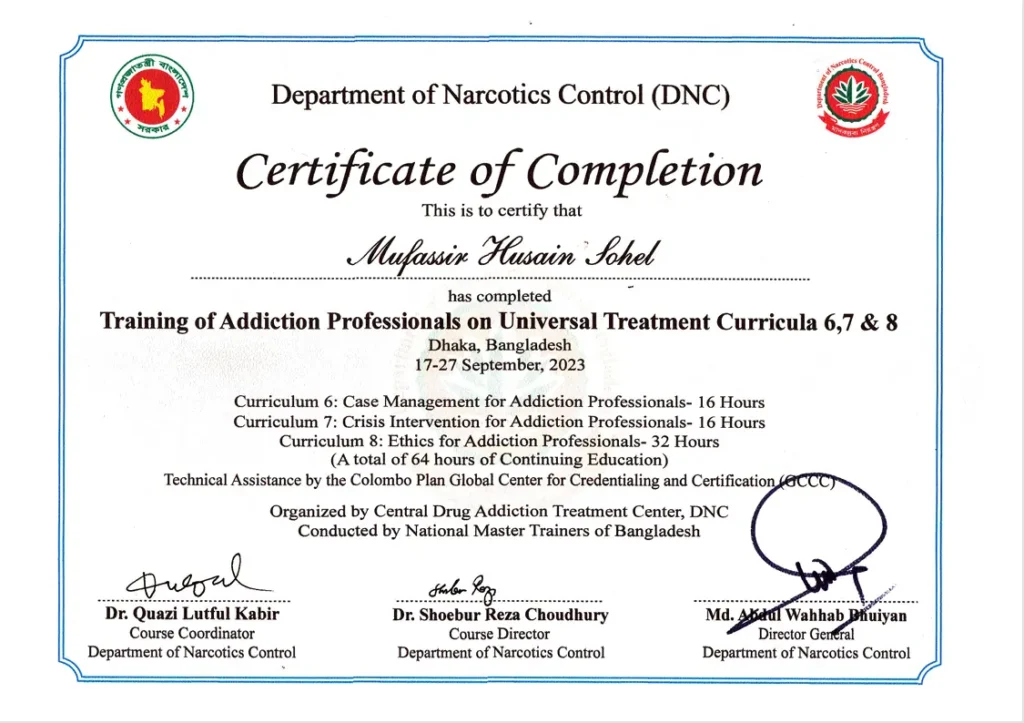
DNC addiction-training certificate
UTC training — Colombo Plan & DNC
Golden Life BD is the operating name of Mirpur Counseling Center. Both names refer to the same organisation — official documents carry the registered name.
15 — Recognition
Awards, training and public work
Twenty-two years of treatment has run alongside training, certification and awareness work with the Department of Narcotics Control and other national bodies.
Recognized by Bangladesh's Home Minister as the Nation's Leading Rehabilitation Center
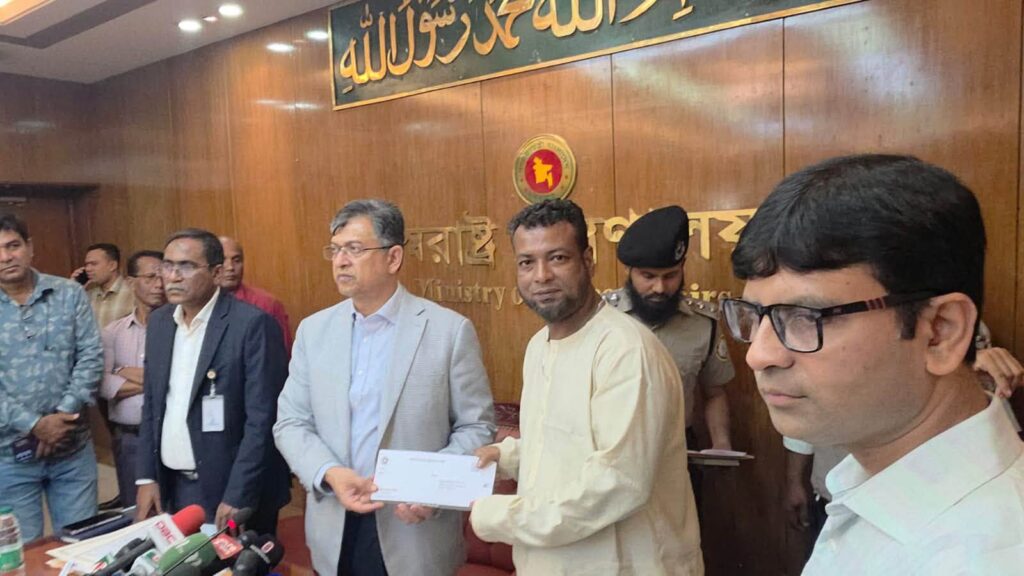
Home Minister Salahuddin Ahmmed has recognized Golden Life BD as the nation’s premier addiction treatment center, a distinction that affirms our unwavering commitment to clinical excellence and patient recovery. This government recognition reflects over two decades of evidence-based treatment, rigorous medical standards, and the trust of thousands of families who have found healing with us.
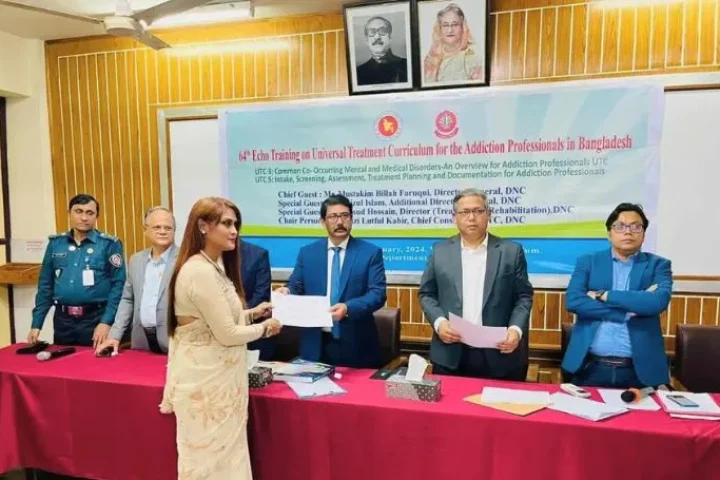
Certificate received from DNC
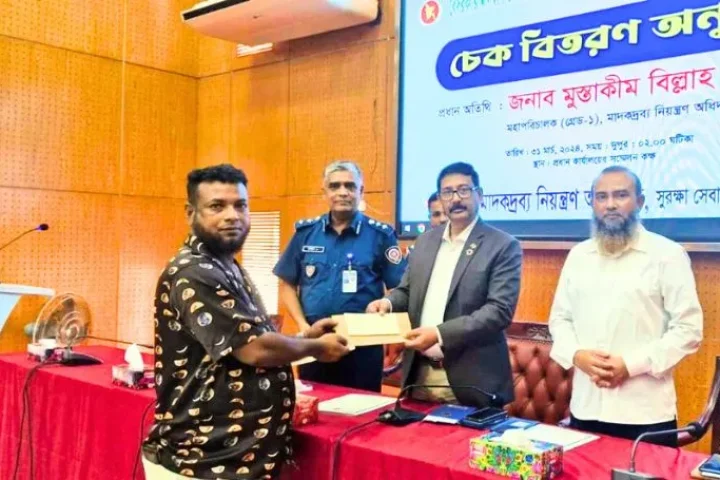
Award received by Tipu Sultan, founder
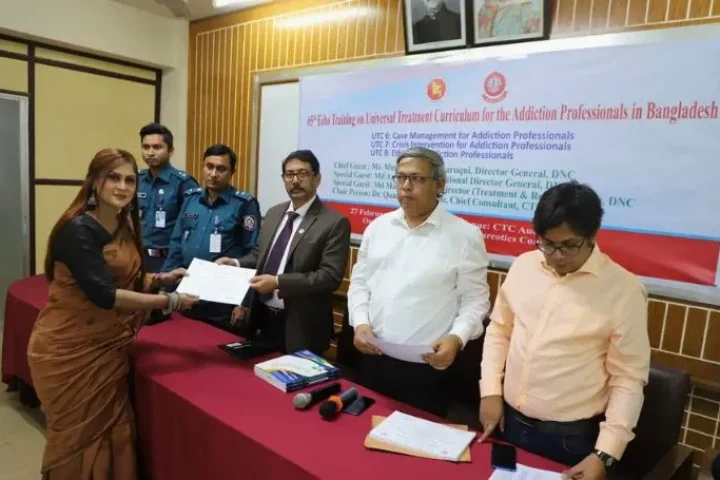
Recognition at a national event
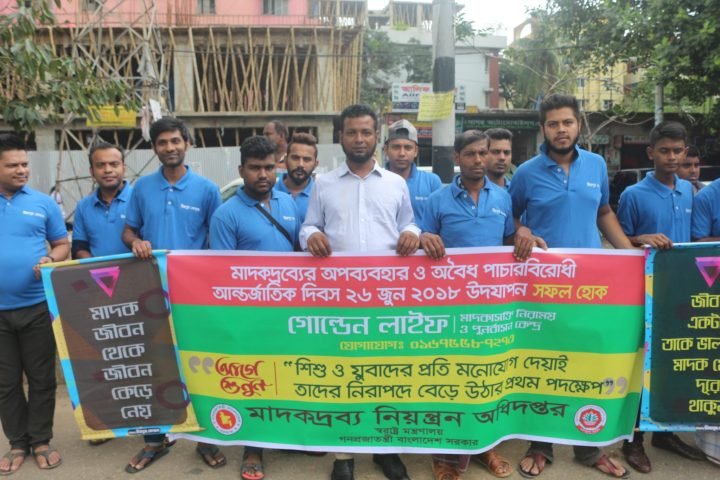
Public drug-awareness campaign
16 — See and hear for yourself
Inside Golden Life BD, and families in their own words
Photographs only go so far. These are walkthroughs of the centre and conversations with families who have been through the programme.
A walkthrough of the centre
Families and patients in their own words
17 — What families say
Reviewed by the people who trusted us
Every review below is published on our Google Business Profile under the reviewer’s own name. We have not edited, shortened or translated a single one.
4.9
100+ reviews on Google
Golden Life BD · Mirpur, Dhaka
আমি এই রিহাব সেন্টারে এ ২০১৫ সালে চিকিৎসা নিয়েছি। আমি এখনো সুস্থ আছি। best rehab center in Bangladesh.
Md Rasel · a year ago
আমি মিনহাজ আমি মাদকের কাছে খুবই অসহায় ছিলাম তো আমার গার্ডিয়ান গোল্ডেন লাইফের ব্যাপারে জানতে পারে এবং সেখানে আমাকে দেয় এবং এখান থেকে ট্রিটমেন্ট নেওয়ার পর আমি এখন সুস্থতার পথে আছি আর এই প্রতিষ্ঠানকে আমি দীর্ঘ সময় ধরে চিনি আর এই সেন্টারের মালিক যিনি উনি আমাকে আপন ভাইয়ের মত ট্রিটমেন্ট দিয়েছেন তাই এখনো আমি এই সেন্টারে প্রোগ্রামার হিসেবে দায়িত্ব পালন করছি এবং আরো মাদকাসক্ত ব্যক্তিদের সুস্থতার পথে আনার চেষ্টা চালিয়ে যাচ্ছি ধন্যবাদ
M
Minhaz Khan
8 months ago · Google review
আমি মিরপুর ৬০ ফিটে থাকি। আমার কাছের এক ভাইয়ের ছেলেকে এ প্রতিষ্ঠানে ভর্তি করিয়াছিলাম ২০২২ সালে। এখন ঐ ভাইয়ের ছেলেটা ৩ বছর ধরে ভালো আছে শুনে ভালো লাগছে আমার। এই টাইপের প্রতিষ্ঠানের ভিতরে কাউকে ঢুকতে দেওয়া হয় না কিন্তু এই প্রতিষ্ঠানে উনারা ঢুকতে এবং দেখতে দেয়। এই প্রতিষ্ঠানের জীব ব্যবস্থা আর লাইব্রেরি আমাকে মুগ্ধ করেছে। আমার দেখা মিরপুরের সবচাইতে ভালো এবং সুন্দর প্রতিষ্ঠান।
A
Ayesha Khatun
6 months ago · Google review
আমি এক সময় খুবই দুর্বল মস্তিষ্কের মানুষ ছিলাম পাশাপাশি স্লিপিং পিলের প্রতি আসক্ত ছিলাম তো আমার জীবন ধ্বংসের দিকেই ছিল তখনই আমার আপ্পু গোল্ডেন লাইফের ব্যাপারে জানতে পারে এটা হল একটা রিহ্যাব সেন্টার সেখানে আমাকে দেয় তারপর এখান থেকে আমি ট্রিটমেন্ট নেই আর বর্তমানে আমি সুস্থতার পথে আছি এখন আমার মাইন্ড মেন্টালিটি অনেক স্ট্রং হয়েছে এবং আমি আগের অবস্থা থেকে পজিটিভলি রিকভার করেছি
S
Salman Farsi
8 months ago · Google review
গোল্ডেন লাইফে আমার বেস্ট ফ্রেন্ড ছিলো। সে এখন সুস্থ জীবনে ফিরে আসতে পেরেছে এই রিহ্যাব সেন্টারের জন্য। একটি ভালো সেন্টারের বৈশিষ্ট্য হচ্ছে রোগীদেরকে ভালো সুযোগ সুবিধা দেয়া যা কিনা এই সেন্টারের আছে। ফ্যামিলি কাউন্সেলিং হচ্ছে একজন রোগীর সুস্থতার সবচেয়ে গুরুত্বপূর্ণ দিক যেটা এই সেন্টারের আবশ্যিক নিয়ম।
M
Mr. Babu
4 months ago · Google review
আমার একজন নিকট আত্মীয় মাদকাসক্ত ছিল। তিনি এই প্রতিষ্ঠানে চিকিৎসা নিয়ে সুস্থ হয়ে ঘরে ফিরে এসেছেন। আমি এবং আমার পরিবার প্রতিষ্ঠানের উপর নির্ভর করি। দোয়া করি আল্লাহ ভাল করুক
M
Monjura Mamun
এই রিহ্যাব সেন্টারটি আমাদের এলাকায় এখান থেকে এই মহল্লার অনেক লোক ভালো হয়ে গেছে প্রতিষ্ঠানটি প্রায় ২৩ বছর যাবত দেখতেছি হ্যা খুবই ভালো
M
md wahid murad
9 months ago · Google review
Golden life bd is truly the best rehab center in dhaka. Their profetional guidence, theraphy sessions and friendly environment helped me regain control over my life.
P
prabhakar changma
a year ago · Google review
Best Rehabilitation Center in Bangladesh with very good accommodation and food. Lets get Clean & Sober life. I am blessed by Golden Life Drug Addiction Center.
R
ROBERT JOY BISWAS
5 years ago · Google review
I am very much satisfied in this rehab centre because one of my patient now totaly drugs free after he complete four month treatment in this rehab centre
S
Shakil Ahmed
2 years ago · Google review
Read every review
All 100+ reviews sit on our Google Business Profile under the reviewers’ own names — nothing here is edited or selected to flatter us.
Were you treated here?
If Golden Life BD helped you or someone in your family, a few honest lines on Google helps the next family decide. It takes under a minute.

Or scan with your phone
18 — After discharge
Treatment does not end at the gate
Relapse is most likely in the first weeks at home. That is precisely when most centres have stopped paying attention.
01
Scheduled follow-up
We make contact at set intervals after discharge to check how the patient and the household are managing.
02
Relapse warning signs
The family is taught in advance which changes in sleep, mood, money or company signal that risk is rising.
03
Rapid re-engagement
If a relapse occurs, call us immediately. Early intervention often means a short stay rather than starting over.
04
Structure to go home to
A written daily routine and return-to-work plan, agreed with the family before discharge day.
19 — Finding us
A rehab centre in Mirpur, reachable from across Dhaka
Golden Life BD is located in Kolwalapara, Mirpur-1 — a short distance from Mirpur-1 bus stand and a brief rickshaw ride from the Mirpur-10 metro station.
Families travel to us regularly from across the city and beyond. If you are coming from outside Dhaka, call ahead — we will tell you what to bring and the best time to arrive so that you are not left waiting.
Areas we regularly serve
- Mirpur 1–14
- Pallabi
- Kazipara
- Shewrapara
- Kallyanpur
- Gabtoli
- Mohammadpur
- Dhanmondi
- Uttara
- Gulshan
- Savar
- Gazipur
- Narayanganj
Address
House 33, Block-F, Road 4, Kolwalapara, Mirpur-1, Dhaka 1216
Admissions
Open 24 hours, seven days a week
Telephone
+880 1716-623665
A note on female patients
Golden Life BD currently provides residential treatment to male patients only. We do not have separate female accommodation, and admitting women without it would be neither responsible nor appropriate.
If you are seeking treatment for a woman, please still call us. Dhaka has facilities specifically for female patients — including the Dhaka Ahsania Mission Female Drug Treatment and Rehabilitation Centre in Mohammadpur — and we will help you identify the right one at no cost. There is nothing in it for us; getting the patient treated is what matters.
21 — Questions
Frequently asked questions
How much does a rehab centre cost in Dhaka?
At Golden Life BD a complete four-month residential programme costs between ৳80,000 and ৳2,00,000 — roughly ৳20,000 to ৳50,000 per month. That figure includes accommodation, three meals a day, medically supervised detox, individual and group therapy, family counselling and follow-up after discharge. The variation between packages reflects room type and how much one-to-one therapy time is included. Government centres in Dhaka cost considerably less but have limited beds and waiting lists.
How long does treatment take?
Our core residential programme runs a minimum of four months. Detox occupies roughly the first two to three weeks; the remainder is therapy, counselling and building the habits that make recovery hold. Shorter programmes exist elsewhere, but discharging someone at fifteen days means discharging them immediately after the physical withdrawal has passed and before any psychological work has been done. The exact duration is adjusted to the individual patient’s progress.
Is Golden Life BD a government-approved rehabilitation centre?
Yes. We hold a Dhaka North City Corporation trade licence (TRAD/DNCC/003817/2022) and are approved by the Department of Narcotics Control under the Ministry of Home Affairs as a drug addiction counselling, treatment and rehabilitation centre. We also hold current fire safety clearance from Fire Service & Civil Defence (FSCD/DHK/2026/32377/16). All original certificates are displayed at the centre and you are welcome to inspect them when you visit.
Do you admit female patients?
No. Golden Life BD provides residential treatment to male patients only, because we do not have separate female accommodation. If you are looking for treatment for a woman, please call us anyway — Dhaka has centres specifically for female patients and we will help you find the appropriate one free of charge.
What if the patient refuses to come?
Almost nobody agrees at first — this is the norm rather than the exception. Speak to our counsellor before you attempt the conversation. They will coach you on how to raise it, who in the family should raise it, when to do it, and which phrases reliably make things worse. In most cases a well-handled conversation produces agreement. In a small number of situations where there is immediate risk, our trained staff can assist — but that depends entirely on individual circumstances and is decided case by case in discussion with us.
Can the family visit or telephone after admission?
During the detox phase direct contact is limited. Patients are emotionally volatile at that stage and contact from home frequently triggers a demand to leave before treatment has properly begun. However, the family is telephoned with an update every day during this period. Once the patient stabilises, regular visits and calls are arranged. The full schedule is explained to you in writing at admission.
Is treatment confidential?
Your information is treated as strictly confidential. Only the clinical team and the family members you nominate have access to it. We do not contact neighbours, employers or extended relatives. Information is disclosed outside that circle only where there is a legal obligation or a life-threatening medical emergency — exceptions that apply to every licensed medical facility, and which we would rather state plainly than pretend do not exist.
What are the food and accommodation like?
Three full meals and two snacks are provided daily, included in every package. Most patients arrive malnourished — prolonged substance use suppresses appetite and disrupts absorption — so diet is planned as part of medical recovery rather than as catering. Accommodation ranges from shared rooms through to a two-bed air-conditioned room with separate bathroom, depending on the package. You are welcome to see the rooms and the kitchen before admission.
What happens if the patient relapses after treatment?
Relapse is a recognised part of addiction recovery, not evidence that treatment failed. What matters is how quickly it is addressed. We maintain follow-up contact after discharge and teach families in advance which signs indicate that risk is rising. If a relapse occurs, contact us immediately — early intervention frequently means a short period of renewed support rather than repeating the entire programme.
Do you treat mental health conditions alongside addiction?
Yes, and it is essential. A substantial proportion of our patients have depression, anxiety, bipolar disorder or psychosis alongside the addiction — and in many cases the psychiatric condition came first, with the substance used to manage it. Treating the addiction alone leaves the underlying driver intact, which is a reliable route back to use. Our consultant psychiatrist treats both together.
Which addictions do you treat?
Yaba and methamphetamine, alcohol, heroin and other opioids, crystal meth, cannabis, prescription sedatives and sleeping pills, and polysubstance use. We also treat behavioural conditions including anger and impulse-control problems, self-harm and suicidal ideation, and technology, gaming and pornography addiction — particularly among adolescents.
Why are you called both Golden Life BD and Mirpur Counseling Center?
Golden Life BD is our operating name; Mirpur Counseling Center is the registered entity name that appears on the trade licence and other official documents. They are the same organisation — so if you see “Mirpur Counseling Center” on paperwork, nothing is wrong.
20 — Guides
Reading for families who are still deciding
Written by our clinical team for people in exactly this position.
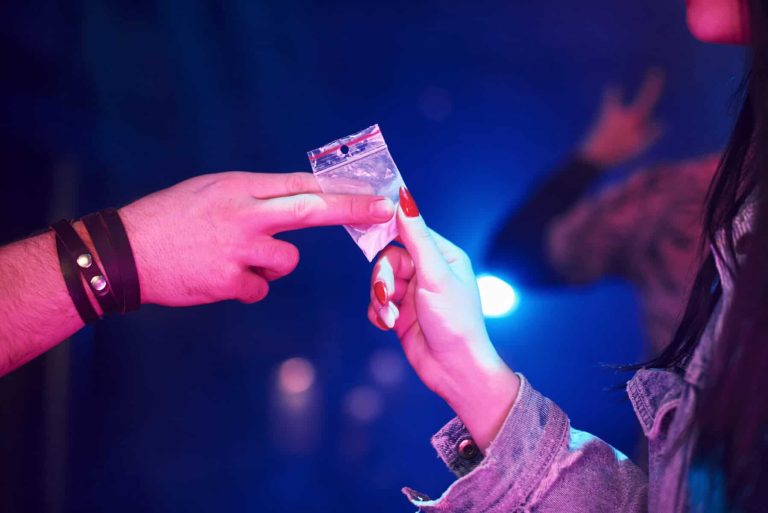
Yaba addiction — symptoms and treatment
How yaba dependence presents, why the withdrawal is psychological rather than physical, and what treatment actually involves.
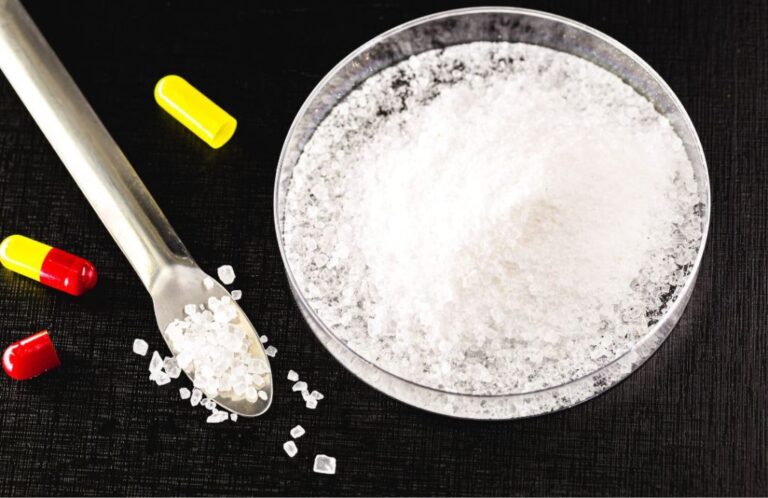
How to quit heroin safely
Why unmanaged opioid withdrawal drives people back to use within days, and what medically supervised detox changes.
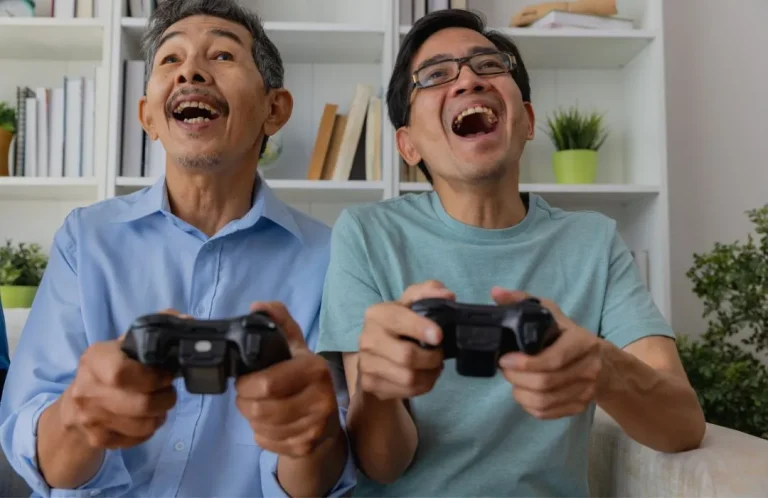
The family's role in recovery
What households unintentionally do that keeps addiction alive, and the boundaries that actually help.
22 — Take the first step
The best day to start was earlier. The next best is today.
One phone call. No fee, no pressure, and an honest answer about whether we are the right place for your family.
Open 24 hours, every day · House 33, Block-F, Road 4, Kolwalapara, Mirpur-1, Dhaka 1216
Government licensed · Doctor-led treatment · Enquiries kept private
Medically reviewed
This page provides general health information about addiction treatment and rehabilitation in Dhaka. It is not a substitute for individual medical advice.
Dr. Mufassir Husain Sohel — MBBS (Mymensingh Medical College), BMDC Registration A-26981. Certified Addiction Professional, Universal Treatment Curricula (UTC 1–8).
Last reviewed: 29 July 2026 · Next scheduled review: January 2027
If you are concerned about your own or another person’s substance use, please consult a registered medical practitioner. In an emergency, seek immediate medical attention.