Golden Life BD

April 29, 2026

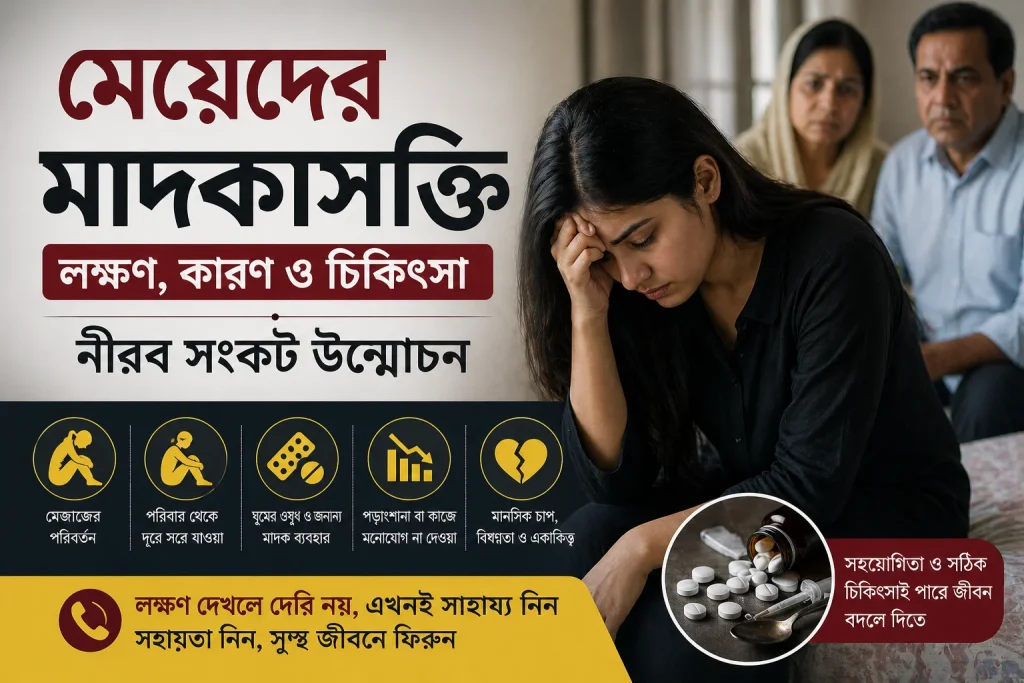
A distressed young woman sitting with her head in her hand while concerned parents sit behind her, representing signs, causes, and treatment of drug addiction in women.
Blog

মেয়েদের মাদকাসক্তি: লক্ষণ, কারণ ও চিকিৎসা — নীরব সংকট উন্মোচন

প্রকাশিত: এপ্রিল ২০২৫ | সর্বশেষ আপডেট: এপ্রিল ২০২৫ লেখক: Golden Life BD বিশেষজ্ঞ দল | পর্যালোচনায়: ডা. মুফাচ্ছির হোসাইন সোহেল, আসক্তি চিকিৎসা বিশেষজ্ঞ ও সাইকোথেরাপি এক্সপার্ট, MBBS (BMDC Reg: A-26981), Golden Life Rehabilitation Center দ্রষ্টব্য: এই লেখাটি শুধুমাত্র সচেতনতামূলক উদ্দেশ্যে তৈরি। যদি আপনি বা আপনার পরিচিত কেউ মাদকাসক্তিতে ভুগছেন বলে মনে হয়, অনুগ্রহ করে একজন বিশেষজ্ঞ চিকিৎসকের সঙ্গে যোগাযোগ করুন। ভূমিকা — যে সংকট কেউ দেখতে চায় না মিরপুরের একটি মধ্যবিত্ত পরিবার। মা লক্ষ্য করছেন, তাঁর বিশ বছরের মেয়েটি রাত করে ঘরে ফেরে, চোখ লাল, কথায় অসংলগ্নতা। বাবা ভাবছেন — “মেয়ে তো, ড্রাগস নেবে কেন?” কিন্তু মাসের পর মাস এই অবস্থা চলতে থাকে। একদিন সত্যিটা সামনে আসে — এবং পরিবারটি তখন বুঝতে পারে, তারা অনেক আগেই সাহায্য চাইতে পারতেন। বাংলাদেশে মেয়েদের মাদকাসক্তি নিয়ে খুব কমই কথা হয়। সমাজে একটি ধারণা প্রচলিত আছে যে মাদকাসক্তি মূলত পুরুষদের সমস্যা। কিন্তু বাস্তব চিত্র ভিন্ন। UNODC-র সাম্প্রতিক প্রতিবেদন অনুযায়ী, বাংলাদেশে মাদকসেবী নারীর সংখ্যা উদ্বেগজনকভাবে বাড়ছে — বিশেষত শহরাঞ্চলে। এবং সবচেয়ে কঠিন বিষয় হলো, এই নারীরা পুরুষের তুলনায় অনেক বেশি লুকিয়ে থাকেন, লজ্জায় সাহায্য চাইতে পারেন না, এবং পরিবারও প্রায়ই বিষয়টি অস্বীকার করে যায়। এই লেখায় আমরা আলোচনা করব মেয়েদের মাদকাসক্তির মূল কারণ, স্পষ্ট লক্ষণ এবং কার্যকর চিকিৎসার পথ নিয়ে। যদি আপনি একজন মা, বাবা, স্বামী বা ভাই হন যিনি পরিবারের কোনো নারী সদস্য নিয়ে চিন্তিত — এই লেখাটি আপনার জন্যই। এবং যদি আপনি নিজেই এই সমস্যায় ভুগছেন এবং পথ খুঁজছেন — আমরা বলছি, সাহায্য পাওয়া সম্ভব। Golden Life Rehabilitation Center ২০০৪ সাল থেকে বাংলাদেশে মাদকাসক্তি ও মানসিক স্বাস্থ্য চিকিৎসায় কাজ করে আসছে — ২২ বছরের বেশি অভিজ্ঞতায় আমরা বহু নারী ও তাঁদের পরিবারকে এই অন্ধকার থেকে আলোয় ফিরতে সাহায্য করেছি। মেয়েদের মাদকাসক্তি কী এবং কেন এটি আলাদা? মাদকাসক্তি — যাকে চিকিৎসা বিজ্ঞানে Substance Use Disorder (SUD) বলা হয় — হলো এমন একটি অবস্থা যেখানে কেউ কোনো মাদকদ্রব্যের উপর শারীরিক ও মানসিকভাবে নির্ভরশীল হয়ে পড়েন। এটি ইচ্ছাশক্তির দুর্বলতা নয় — এটি একটি স্বীকৃত চিকিৎসাযোগ্য রোগ। তবে মেয়েদের ক্ষেত্রে মাদকাসক্তির বিষয়টি কিছুটা আলাদা। বিশ্ব স্বাস্থ্য সংস্থা (WHO)-র গবেষণা অনুযায়ী, নারীরা পুরুষের তুলনায় কম সময়ে এবং কম মাত্রায় মাদক ব্যবহার করেও দ্রুত আসক্ত হয়ে পড়তে পারেন — এই ঘটনাকে চিকিৎসকরা বলেন “telescoping effect“। এর মানে হলো, নারীদের মাদকাসক্তি অনেক দ্রুত মারাত্মক পর্যায়ে পৌঁছে যায়। বাংলাদেশের প্রেক্ষাপটে মেয়েদের মাদকাসক্তির আরেকটি বড় বৈশিষ্ট্য হলো — এটি অনেক বেশি লুকানো থাকে। সামাজিক কলঙ্কের ভয়ে পরিবার বিষয়টি গোপন রাখে, মেয়েটি নিজেও সাহায্য চাইতে ভয় পান, এবং এইভাবে সমস্যা আরও গভীর হতে থাকে। ঢাকার মিরপুর, মোহাম্মদপুর, উত্তরা — এই এলাকার পরিবারগুলোর সঙ্গে আমাদের কাজের অভিজ্ঞতা বলছে, নারী মাদকাসক্তের ক্ষেত্রে পরিবার গড়ে আট থেকে বারো মাস দেরিতে সাহায্য চাইতে আসে। কারণ ও ঝুঁকির বিষয়গুলো মানসিক স্বাস্থ্য সমস্যা বাংলাদেশে বিষণ্নতা (depression), উদ্বেগ (anxiety), এবং ট্রমা — বিশেষত পারিবারিক নির্যাতন বা যৌন হয়রানির শিকার নারীদের মধ্যে — অনেক সময় চিকিৎসা না পেয়ে জমতে থাকে। এই যন্ত্রণা থেকে সাময়িক মুক্তি পেতে কেউ কেউ ঘুমের ওষুধ, ফেন্সিডিল বা অন্য মাদকের দিকে ঝুঁকে পড়েন। মানসিক স্বাস্থ্যের সমস্যা এবং মাদকাসক্তি প্রায়ই একসঙ্গে চলে — একটিকে ছেড়ে অন্যটির চিকিৎসা সম্ভব নয়। সম্পর্কের চাপ ও পারিবারিক সহিংসতা বিবাহিত নারীর ক্ষেত্রে স্বামীর মাদকাসক্তি, পারিবারিক নির্যাতন, বা বিবাহবিচ্ছেদের মানসিক আঘাত থেকে অনেক সময় মাদকের দিকে ঝোঁক তৈরি হয়। অবিবাহিত তরুণীদের ক্ষেত্রে সম্পর্কে প্রতারিত হওয়া বা বিশ্বাসভঙ্গ একটি সাধারণ ট্রিগার। বন্ধু বা সঙ্গীর প্রভাব বিশ্ববিদ্যালয় বা কর্মক্ষেত্রে নতুন পরিবেশে এসে এমন বন্ধুমহলে পড়ে যাওয়া যেখানে মাদক স্বাভাবিক — এটি বিশেষত ঢাকায় আসা মেয়েদের ক্ষেত্রে একটি বড় ঝুঁকি। ঘুমের ওষুধ ও প্রেসক্রিপশন ড্রাগের অপব্যবহার বাংলাদেশে প্রেসক্রিপশন ছাড়াই ঘুমের ওষুধ ও ব্যথানাশক কেনা যায়। অনেক নারী প্রথমে ঘুমের সমস্যা বা মাথাব্যথার কারণে এগুলো ব্যবহার শুরু করেন — এবং ধীরে ধীরে নির্ভরশীল হয়ে পড়েন। এই ধরনের আসক্তি পরিবারের কাছে অনেক দিন ধরা পড়ে না। একাকীত্ব ও সামাজিক বিচ্ছিন্নতা ঢাকার ব্যস্ত জীবনে অনেক নারী — বিশেষত গার্মেন্টস কর্মী, গৃহকর্মী বা একা বসবাসকারী শিক্ষার্থী — গভীর একাকীত্বে ভোগেন। এই একাকীত্ব থেকে মাদকের দিকে ঝুঁকে পড়ার ঘটনা আমাদের কাছে নতুন নয়। প্রধান লক্ষণসমূহ — কীভাবে বুঝবেন? নিচের লক্ষণগুলো যদি একসঙ্গে এবং দীর্ঘদিন ধরে দেখা যায় — তাহলে বিশেষজ্ঞের পরামর্শ নেওয়া জরুরি। লক্ষণের ধরন কী দেখবেন শারীরিক পরিবর্তন হঠাৎ ওজন কমে যাওয়া, চোখ লাল বা ঘোলা দেখানো, ত্বক শুষ্ক হওয়া, অতিরিক্ত ঘুম বা একদমই ঘুম না আসা আচরণগত পরিবর্তন পরিবার থেকে দূরে সরে যাওয়া, রাত করে ঘরে ফেরা, মিথ্যা কথা বলা, টাকা চুরি বা অযৌক্তিক খরচ মানসিক পরিবর্তন অকারণ রাগ, কান্না, হঠাৎ উচ্ছ্বাস, বিষণ্নতা, আত্মহত্যার চিন্তা সামাজিক পরিবর্তন পুরনো বন্ধুদের এড়িয়ে চলা, নতুন রহস্যময় পরিচিতজন, ফোনে গোপনীয়তা দায়িত্বে অবহেলা পড়াশোনা বা কাজে মনোযোগ না দেওয়া, গৃহস্থালির কাজে অনীহা, সন্তানের যত্নে উদাসীনতা বিশেষ সতর্কতা: মেয়েদের ক্ষেত্রে লক্ষণগুলো প্রায়ই “মানসিক চাপ” বা “হরমোনের সমস্যা” বলে উড়িয়ে দেওয়া হয়। এই ভুল করবেন না। যদি একসঙ্গে তিন বা তার বেশি লক্ষণ দেখেন — সরাসরি বিশেষজ্ঞের কাছে যান। চিকিৎসা ও পুনরুদ্ধারের পথ মাদকাসক্তি নিরাময়যোগ্য — তবে সঠিক চিকিৎসা ছাড়া এটি সম্ভব নয়। Golden Life BD-তে নারী মাদকাসক্তের চিকিৎসায় আমরা একটি সমন্বিত পদ্ধতি অনুসরণ করি। ডিটক্সিফিকেশন (৭–১৫ দিন)। প্রথম ধাপে শরীর থেকে মাদকের প্রভাব চিকিৎসকের তত্ত্বাবধানে নিরাপদে বের করা হয়। এই পর্যায়ে শারীরিক কষ্ট হতে পারে — কিন্তু আমাদের দল সার্বক্ষণিক পাশে থাকেন। আমাদের ডিটক্সিফিকেশন প্রক্রিয়া সম্পর্কে আরও জানুন। মনোচিকিৎসা ও কাউন্সেলিং। ব্যক্তিগত থেরাপি সেশনে রোগীর মাদকাসক্তির মূল কারণ — মানসিক আঘাত, বিষণ্নতা, সম্পর্কের সমস্যা — চিহ্নিত করে কাজ করা হয়। এই ধাপটি নারীদের জন্য বিশেষভাবে গুরুত্বপূর্ণ। গ্রুপ থেরাপি ও পারিবারিক কাউন্সেলিং। পরিবারের সম্পৃক্ততা ছাড়া দীর্ঘমেয়াদি সুস্থতা কঠিন। আমরা পরিবারের সদস্যদেরও থেরাপি প্রক্রিয়ায় অন্তর্ভুক্ত করি। আচরণগত সংশোধন ও দক্ষতা উন্নয়ন। রিলাপস (পুনরায় মাদক গ্রহণ) প্রতিরোধের জন্য রোগীকে চাপ মোকাবেলার কৌশল শেখানো হয়। আফটারকেয়ার পরিকল্পনা। চিকিৎসার পর কীভাবে স্বাভাবিক জীবনে ফিরবেন — সেই পরিকল্পনা তৈরিতে আমরা রোগী ও পরিবারকে সহায়তা করি। DO: চিকিৎসার পুরো মেয়াদ শেষ করুন। অনেক পরিবার যখন দেখেন রোগী “ভালো হয়ে গেছে মনে হচ্ছে” — তখন মাঝপথে ছাড়িয়ে আনেন। এটি রিলাপসের সবচেয়ে বড় কারণ। DON’T: শুধু ডিটক্স করিয়ে মনে করবেন না চিকিৎসা শেষ হয়েছে। ডিটক্স শুধু শুরু — মনোচিকিৎসা ছাড়া স্থায়ী সুস্থতা আসে না। আমাদের সম্পূর্ণ চিকিৎসা প্রক্রিয়া সম্পর্কে বিস্তারিত জানতে পারেন এবং প্যাকেজের তথ্যের জন্য আমাদের মূল্য তালিকা দেখুন। পরিবার যে ভুলগুলো করে এবং সঠিক পথ ভুল ১: “মেয়েরা মাদক নেয় না” — এই ধারণা আঁকড়ে থাকা কেন হয়: সামাজিক বিশ্বাস এবং পরিবারের সম্মান রক্ষার চেষ্টা। ফলাফল: মাসের পর মাস অস্বীকার করতে করতে সমস্যা আরও গভীর হয়। সমাধান: লক্ষণ দেখলে সাথে সাথে বিশেষজ্ঞের পরামর্শ নিন — এটি দুর্বলতা নয়, দায়িত্বশীলতা। ভুল ২: লজ্জার কারণে পরিচিতজনের কাছ থেকে সাহায্য না নেওয়া কেন হয়: “লোকে কী বলবে” — এই ভয়
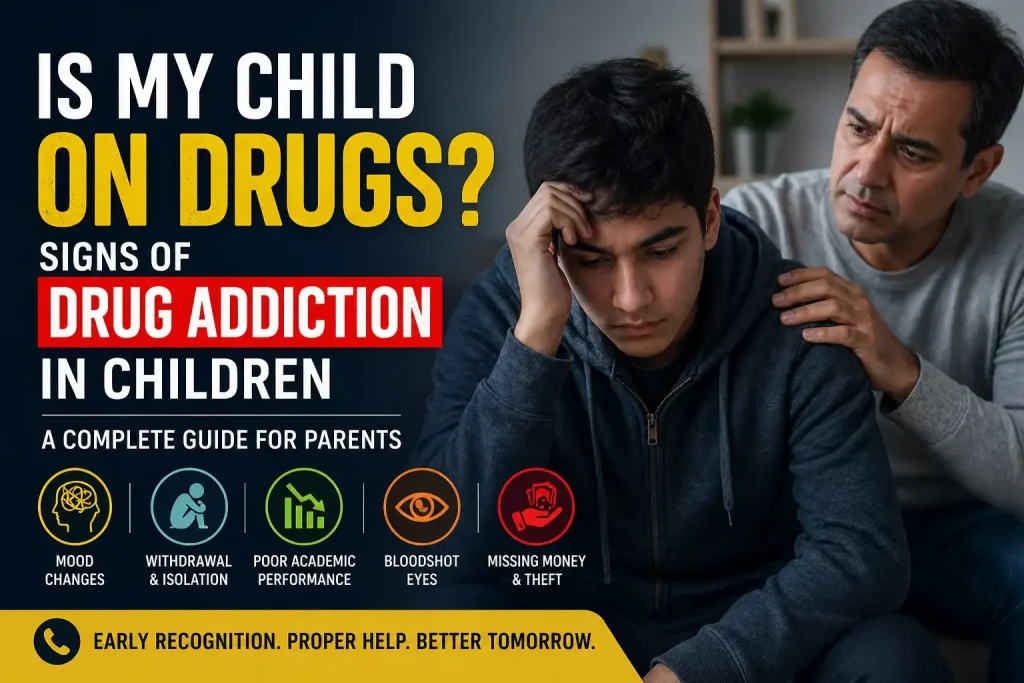
Concerned parent sitting beside a distressed teenage boy, illustrating warning signs of drug addiction in children such as mood changes, isolation, poor performance, and missing money.
Blog

Is My Child on Drugs? Signs of Drug Addiction in Children — A Complete Guide for Parents

Published: April 2025 | Last Updated: April 2025 Author: Golden Life BD Expert Team | Reviewed by: Dr. Mufassir Husain Sohel, Addiction Medicine Practitioner & Psychotherapy Expert, MBBS (BMDC Reg: A-26981), Golden Life Rehabilitation Center Note: This article is for educational and awareness purposes only. If you believe your child may be struggling with addiction, please consult a qualified addiction medicine professional immediately. Introduction — When a Parent’s Instinct Says Something Is Wrong You notice it in small things first. Your son, who used to come home for dinner and talk about his day, now disappears into his room the moment he walks in. Your daughter’s eyes look different — glassy, distant, or sometimes unnaturally bright. The school calls about missed classes. Money goes missing from your wallet. And when you try to ask what is going on, you are met with rage, tears, or a wall of silence that was not there a year ago. If this sounds familiar, you are not alone — and you are not imagining things. According to the United Nations Office on Drugs and Crime (UNODC), Bangladesh faces a serious and growing drug problem, with young people — particularly those between 15 and 30 years old — making up the largest segment of drug users. Substances like Yaba, marijuana (ganja), phensedyl, and heroin are widely accessible in urban areas including Dhaka, Chittagong, and Sylhet. The problem does not discriminate by family income, neighbourhood, or education level. The hardest part for most parents is not the anger or the fear — it is the uncertainty. Is this just teenage behaviour? Or is something more serious happening? This guide is written specifically to answer that question. We will walk you through the physical, behavioural, and emotional signs of drug addiction in children and teenagers, explain why young people in Bangladesh are particularly vulnerable, and — most importantly — tell you clearly what your next steps should be if your fears turn out to be justified. At Golden Life Rehabilitation Center, we have been working with families in exactly this situation since 2004 — over 22 years of helping parents navigate one of the most difficult experiences a family can face. This article draws directly on that experience. Read it carefully. Share it with your spouse or co-parent. And know that whatever you find, there is a path forward. What Is Drug Addiction in Young People? Drug addiction — clinically referred to as Substance Use Disorder (SUD) — is not simply a bad habit or a phase that young people grow out of on their own. It is a complex condition in which a person becomes physically and psychologically dependent on a substance to the point where stopping causes intense discomfort, and continuing causes progressive harm to their health, relationships, and life functioning. Young people’s brains are still developing — particularly the prefrontal cortex, which governs decision-making, impulse control, and the assessment of consequences. This makes teenagers and young adults significantly more vulnerable to addiction than older adults. The World Health Organization (WHO) recognises that early-onset drug use — beginning in adolescence — carries a substantially higher risk of developing severe, long-term dependency compared to use that begins in adulthood. In the Bangladeshi context, the most commonly used substances among young people include Yaba (a methamphetamine-caffeine tablet), ganja (marijuana), phensedyl (a codeine-based cough syrup misused as a recreational drug), heroin, and increasingly, prescription sleeping pills and sedatives. Each substance produces different signs and symptoms — but all share a common pattern: escalating use, increasing secrecy, and progressive withdrawal from family and responsibilities. Addiction affects the entire family — not just the person using. Parents, siblings, and extended family members all experience stress, guilt, confusion, and grief. Recognising the signs early and responding with the right support — rather than punishment alone — is what determines whether a young person gets the help they need before the situation becomes a crisis. 12 Warning Signs Your Child May Be Using Drugs No single sign on this list is definitive proof of drug use on its own. However, if you are observing several of these signs together, consistently, over a period of weeks — that warrants serious attention and a professional assessment. 1. Sudden and Unexplained Changes in Mood Rapid mood swings — euphoria followed by irritability, rage followed by unusual calm — are among the earliest and most consistent signs of substance use. If your child’s emotional state seems to follow no predictable pattern and has changed markedly from their normal personality, take notice. With Yaba use in particular, periods of intense energy and talkativeness are followed by crashes involving extreme tiredness and aggression. 2. Withdrawal from Family and Friends A young person who was previously social and communicative begins spending hours locked in their room, stops joining family meals, avoids conversation, and loses interest in friends they have had for years. They may simultaneously begin spending time with a new group of people their family does not know and is not permitted to meet. 3. Declining Academic or Professional Performance Teachers report missed classes, incomplete assignments, or falling grades. An employed young person begins arriving late, missing shifts, or losing jobs. The child who was previously motivated and goal-oriented seems to have lost all ambition. This is one of the most consistent early indicators families report when looking back on when the problem started. 4. Bloodshot or Glazed Eyes Persistent red, watery, or glassy eyes — especially without any apparent illness or allergy — are a physical sign associated with marijuana use, alcohol, and certain sedatives. Pinpoint pupils (very small) can indicate opiate or heroin use; dilated pupils (very large) can suggest stimulant use such as Yaba. 5. Unexplained Financial Requests or Missing Money Drug use is expensive, and young people without their own income will find ways to fund it. Repeated requests for money with vague explanations, money disappearing from wallets or shared spaces, or the selling of personal belongings are serious warning signs. In some cases, families also notice valuables — jewellery, electronics — going missing. 6. Changes in Sleep Patterns Sleeping through the day

Scroll to Top