Overcome Yaba Addiction: Begin Your Recovery
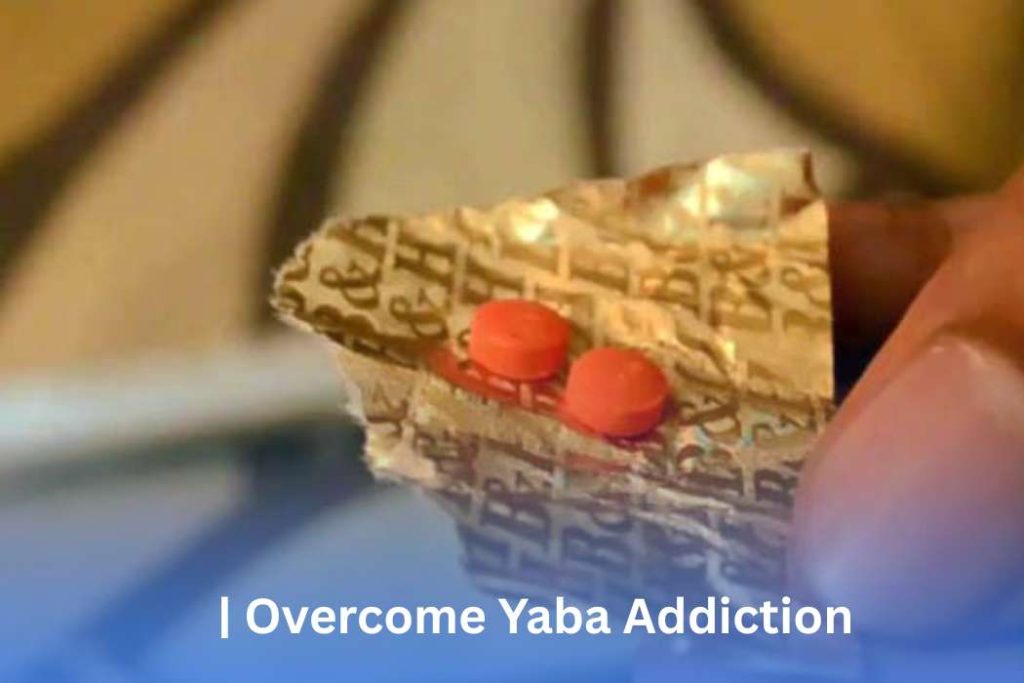
Overcome Yaba Addiction: Begin Your Recovery Yaba Addiction: The Struggle and the Road to Recovery Hey, have you ever heard of yaba? If you haven’t, you’re not alone. If you have, you know this is a real problem for many. Yaba addiction, yeah, that’s the focus here, and trust me, it’s a topic that’s way too important to ignore. Let’s dive in, and I promise I’ll keep it real and easy to understand. So, here’s the deal: Yaba is a type of drug that’s pretty popular in some parts of the world, especially in Southeast Asia. It’s made up of a mix of methamphetamine and caffeine, and it’s typically sold in small, colorful pills. Many users feel a big burst of energy, euphoria, and confidence. But most don’t see how dangerous and addictive it can be. What Exactly is Yaba? You might be thinking, “Yaba? What’s that even?” Let me break it down for you. Yaba mixes two strong stimulants: methamphetamine, a hardcore drug, and caffeine, which helps us stay awake in class or at work. When combined, they create a drug that hits hard and fast. It’s known for giving users a crazy amount of energy, making them feel invincible, super awake, and hyper-focused. Sounds tempting, right? Well, that’s the hook. People usually pop a pill to feel on top of the world, but the high doesn’t last long. When it wears off, that’s when the real problems start—because it’s not just the body that gets hooked, it’s the mind too. Why Do People Get Addicted to Yaba? Look, addiction isn’t as simple as “just say no.” If it were, we wouldn’t have such a huge problem with substances like yaba. The thing with yaba addiction is that it messes with both your brain chemistry and your behavior. Let’s talk about the brain for a second. The high that yaba gives you is because it floods your brain with dopamine (the “feel-good” chemical). At first, this makes you feel amazing—like you could conquer the world. But your brain gets used to it, and that’s when things go downhill. Over time, your brain starts to need more and more of the drug to feel those same high levels of dopamine, which is where the addiction kicks in. People get hooked on yaba because it makes them feel good. It boosts their confidence and helps them do things they normally wouldn’t be able to do. It’s the classic “I need it to feel normal” mentality. As you can imagine, when people get stuck in that cycle, it can be tough to break out. 🔹 Need support with addiction recovery? Get a free consultation. 📞 Phone: +88 01716623665 📞 Call Us Now The Effects of Yaba: The Highs and the Lows So, what does yaba actually do to the body? Well, let me tell you—it’s a rollercoaster. When someone first takes yaba, they feel like they’re on top of the world. Here’s what they might experience: Euphoria: Everything seems amazing. Your mood is through the roof. Increased energy: You feel like you could run a marathon or work for hours without stopping. Focus: It’s like you can laser-focus on anything, and your mind feels sharp. But, as with any drug, the party doesn’t last forever. When the high wears off, the crash can be brutal. Here’s what happens next: Exhaustion: After all that energy, your body is drained. Irritability: Your mood takes a nosedive, and you get frustrated easily. Depression and anxiety: The comedown can leave you feeling down and paranoid. And that’s not all. Long-term yaba use can cause some serious health issues, like heart problems, kidney damage, and even brain damage. Also, there’s a risk of violent behavior, hallucinations, and trouble in personal relationships. Not so glamorous, right? The Vicious Cycle: How Addiction Takes Over Here’s the thing—yaba addiction doesn’t just happen overnight. It’s a gradual thing. People often start using it for the initial “high,” but over time, the need to keep chasing that high becomes stronger and stronger. At first, they might take it just once in a while, maybe to party or get through a tough day. But then, because the brain gets used to those intense bursts of pleasure, they start craving more. That’s when they begin using it more regularly. Eventually, it’s no longer just about feeling good—it’s about avoiding the horrible feelings that come when they don’t have it. It’s a tough cycle to break because it’s not just physical dependence—it’s also emotional and mental. The person feels like they need it to function. To put it simply, addiction hijacks the mind and makes everything else in life seem less important. What Does Recovery from Yaba Addiction Look Like? Okay, I’m gonna shift gears here a little bit and talk about the other side of things: recovery. If you’re reading this and you’re struggling with yaba addiction (or you know someone who is), know that it’s not hopeless. It’s hard, no doubt, but recovery is absolutely possible. But it requires a lot of work. Here’s the thing about recovery: It’s not just about getting clean. That’s a huge part of it, but it’s also about addressing the root causes of the addiction. Why did someone turn to yaba in the first place? Was it stress, trauma, or trying to fit in with a crowd? Understanding these reasons is key to lasting recovery. Here are some steps people typically take in recovery: Detoxification: This is the first step—getting the drug out of your system. It can be tough, but it’s necessary for a fresh start. Therapy: Talking about addiction is essential. Individual therapy or group therapy helps people understand why they became addicted and how to avoid relapse. Support groups: Sometimes, knowing you’re not alone is the most powerful thing. Groups like Narcotics Anonymous can offer support and camaraderie. It’s not a quick fix, and there are going to be challenges along the way, but each day clean is a step in the right